Palato do CôaDouro Superior · Portugal
History

Dona Antónia Ferreira: the widow who invested in the Douro frontier

The history of wine in the Douro Superior begins with an inescapable figure: Dona Antónia Adelaide Ferreira, known as “Ferreirinha”. She showed that the Douro’s hottest and most inland area could produce great wine.

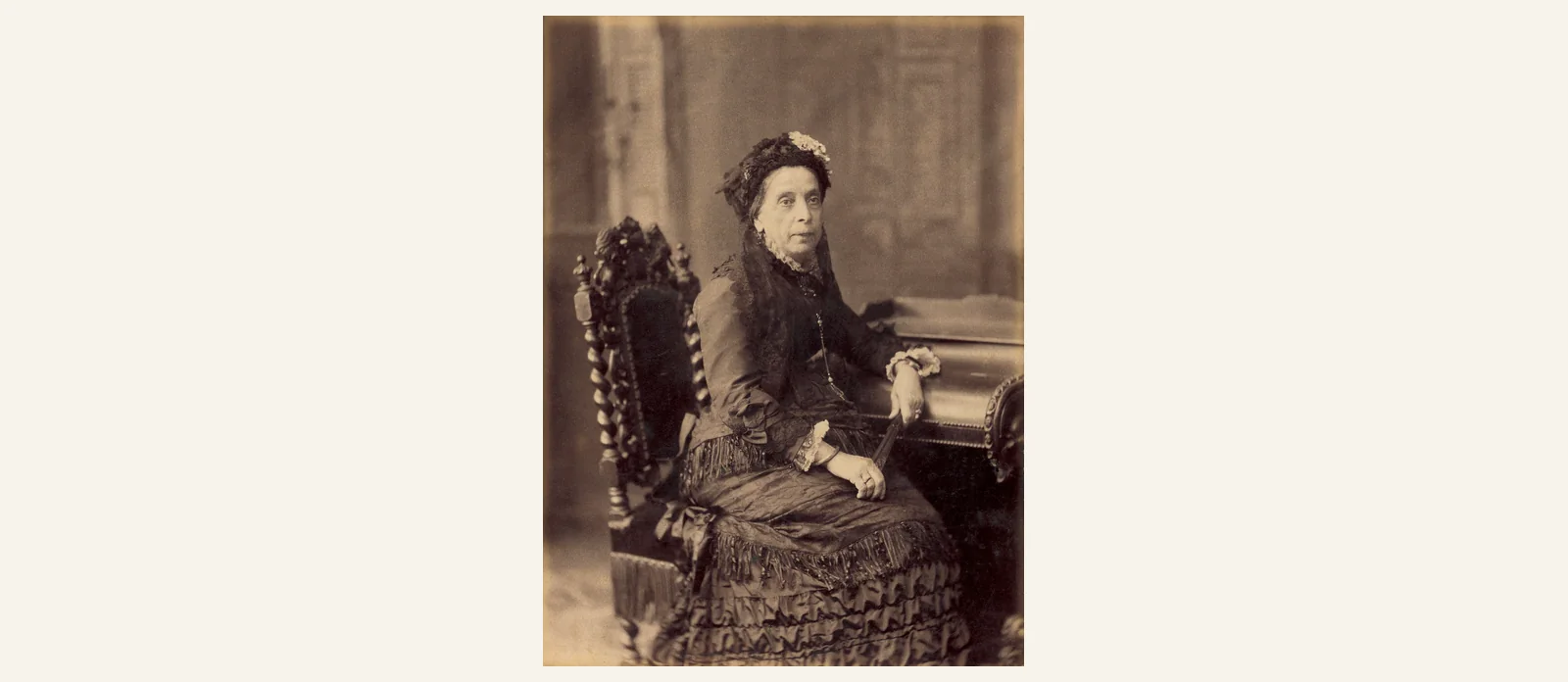
Dona Antónia Adelaide Ferreira, period photograph — public domain

Dona Antónia Adelaide Ferreira (1811–1896) was widowed at 33 and became the leading Port wine businesswoman of the nineteenth century, eventually bringing together around thirty estates along the Douro. At a time when the wine trade was a man’s world, she became one of the region’s most decisive figures.

A wager on the frontier

Rather than restricting herself to the already established Douro farther west, Dona Antónia looked east — towards the Douro Superior, the hottest and most inland sub-region. In 1877 she founded Quinta do Vale Meão, buying dozens of plots and clearing around 300 hectares near Foz Côa. It was a demanding territory of dry summers and harsh winters, which few believed capable of producing great reds.

Time proved her right. The investment in the Douro Superior showed that this hot, rugged frontier could produce structured wines made for ageing — opening the way for everything that would later emerge farther east, including, much later, in the Côa Valley.

From the frontier to the bottle

That same conviction — that the Douro Superior produces reds made for ageing — can now be found in the structured, oak-aged wines of Palato do Côa, made in the same territory, farther east, in the Côa Valley.

Sources: Historical facts confirmed by the estate and recorded in the winemakers’ knowledge base. The portrait is in the public domain.

← Douro Superior
Dona Antónia Ferreira: the widow who invested in the Douro frontier — Palato do Côa