How we make wine
"At the Quinta we do little, so as not to get in the way."
From vine to bottle, follow a year’s work at the estate.
Chapter I · In the vineyard
01
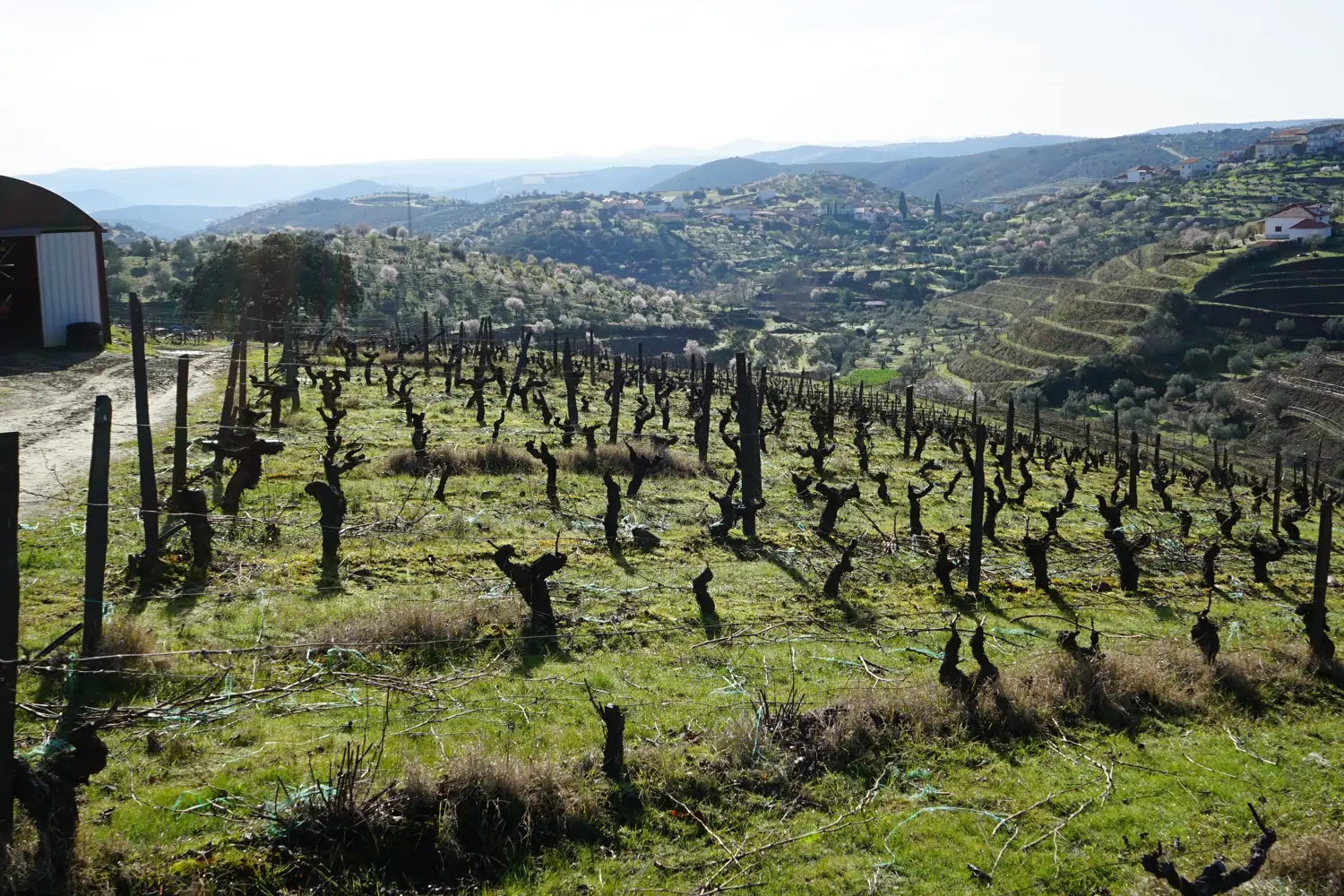
Vine
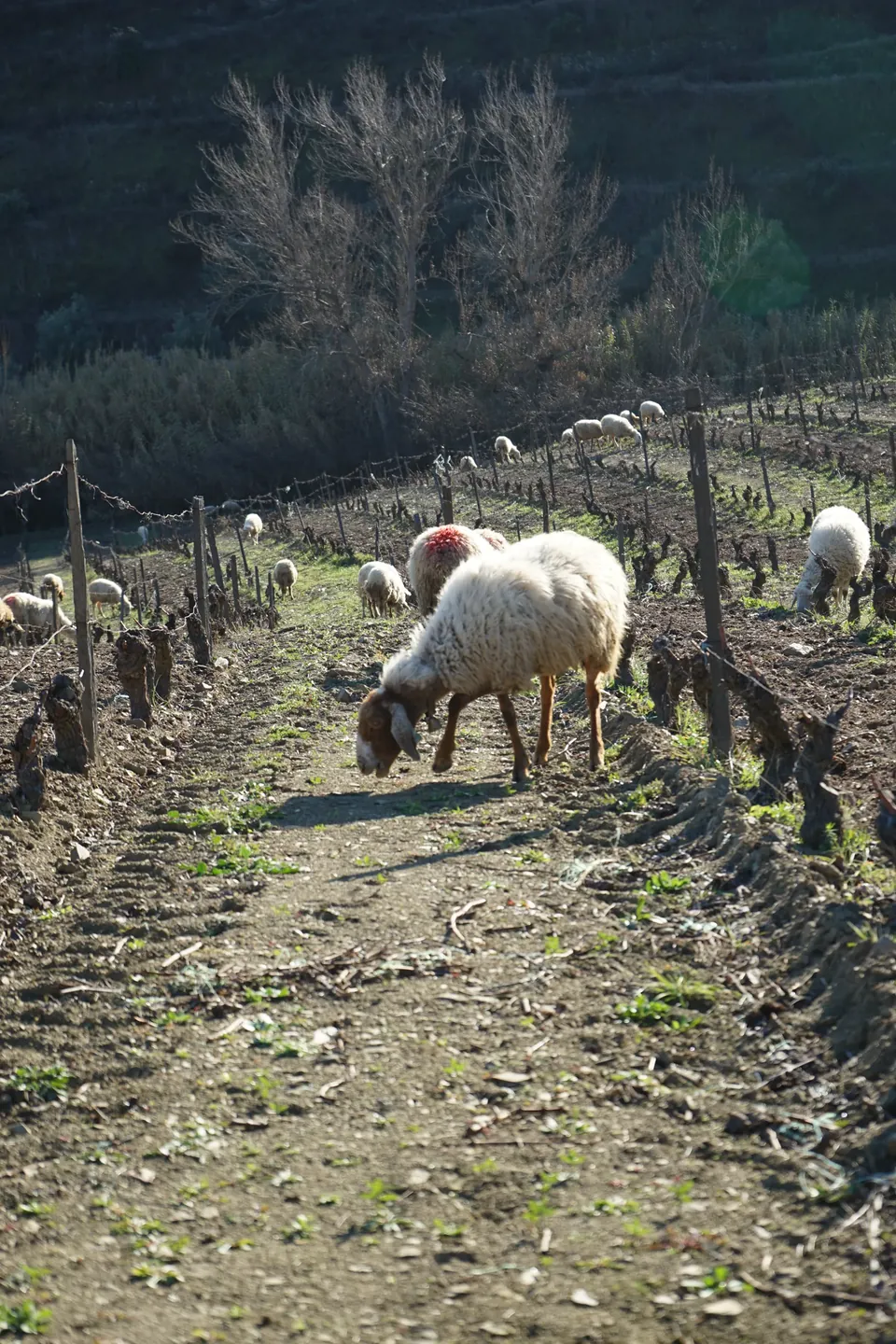
The estate has young plots and old vines over sixty years old. We follow each plot throughout the year.
01 / 18Next: Harvest
Chapter I · In the vineyard
02
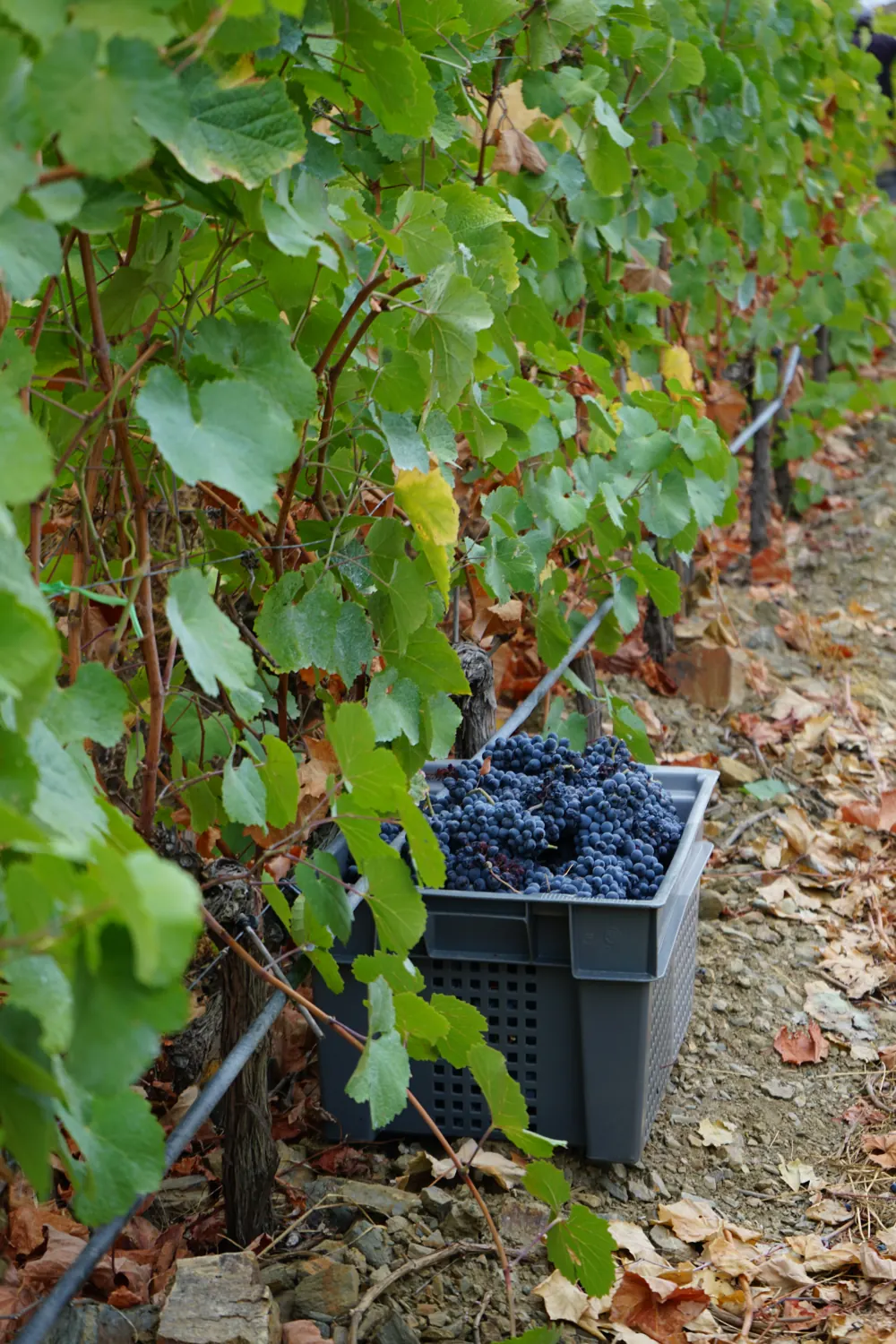
Harvest
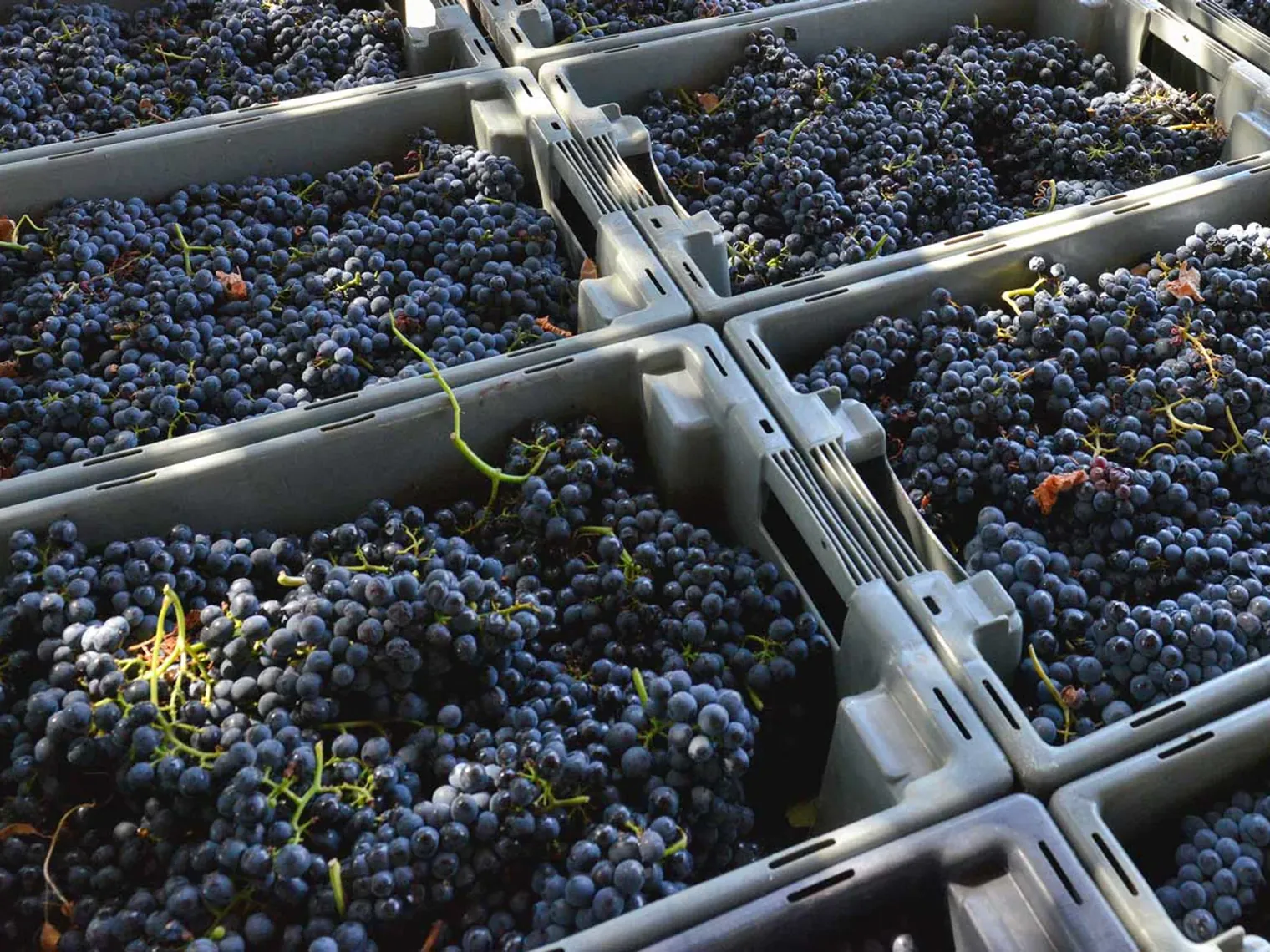
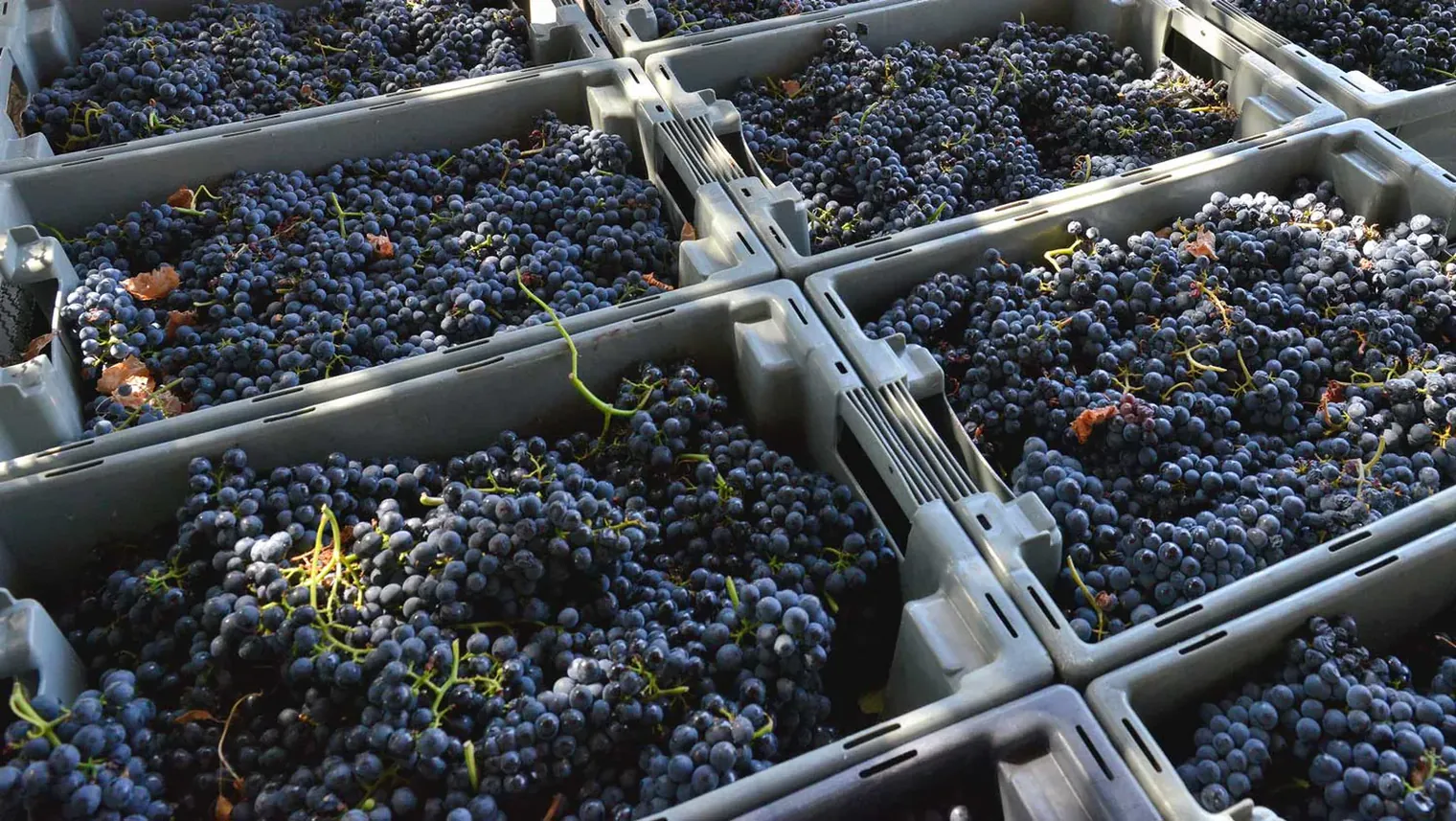
We harvest by hand and transport the grapes in small crates.
02 / 18Next: Harvest
Chapter II · The arrival
03
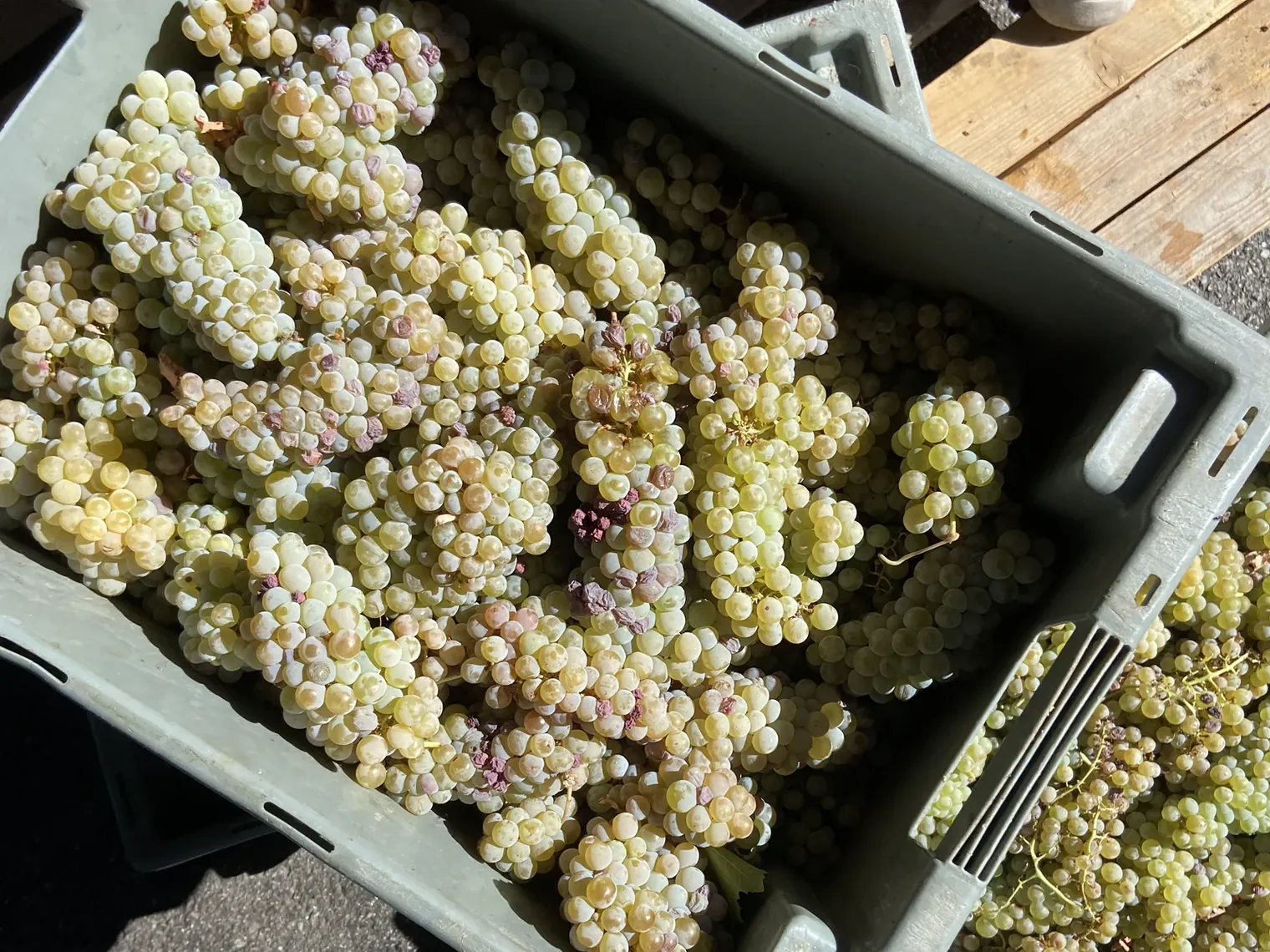
Reception
White & red, side by side
On arrival at the cellar, the grapes go into cold storage.
03 / 18Next: Harvest
Chapter II · The arrival
04
Selection and separation
White & red, side by side
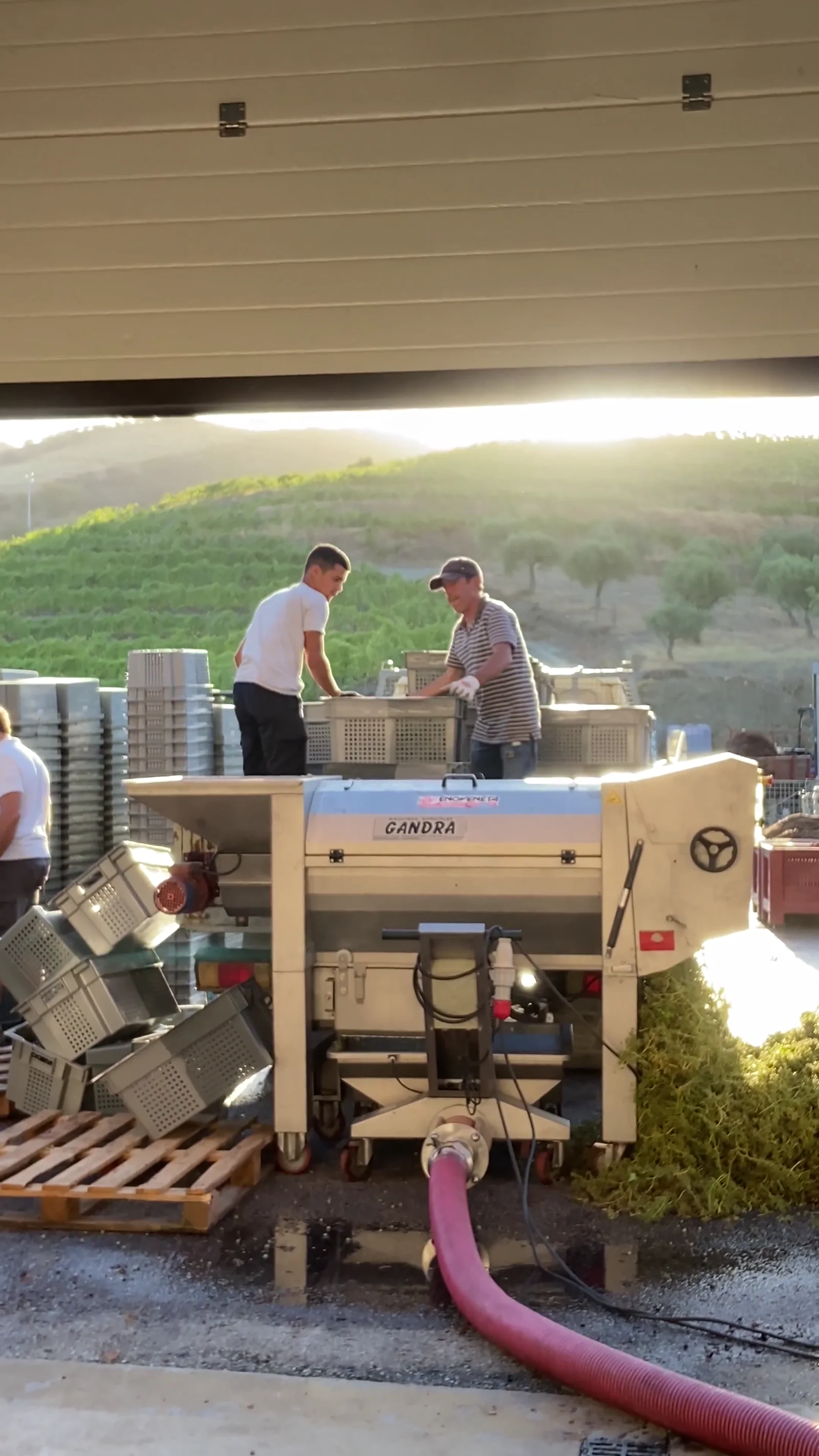
We remove the stems and crush the grapes lightly. For whites, we separate the juice from the skins; for reds, they ferment together.
04 / 18Next: Harvest
Chapter III · Winemaking
05
Cold room
White winemaking
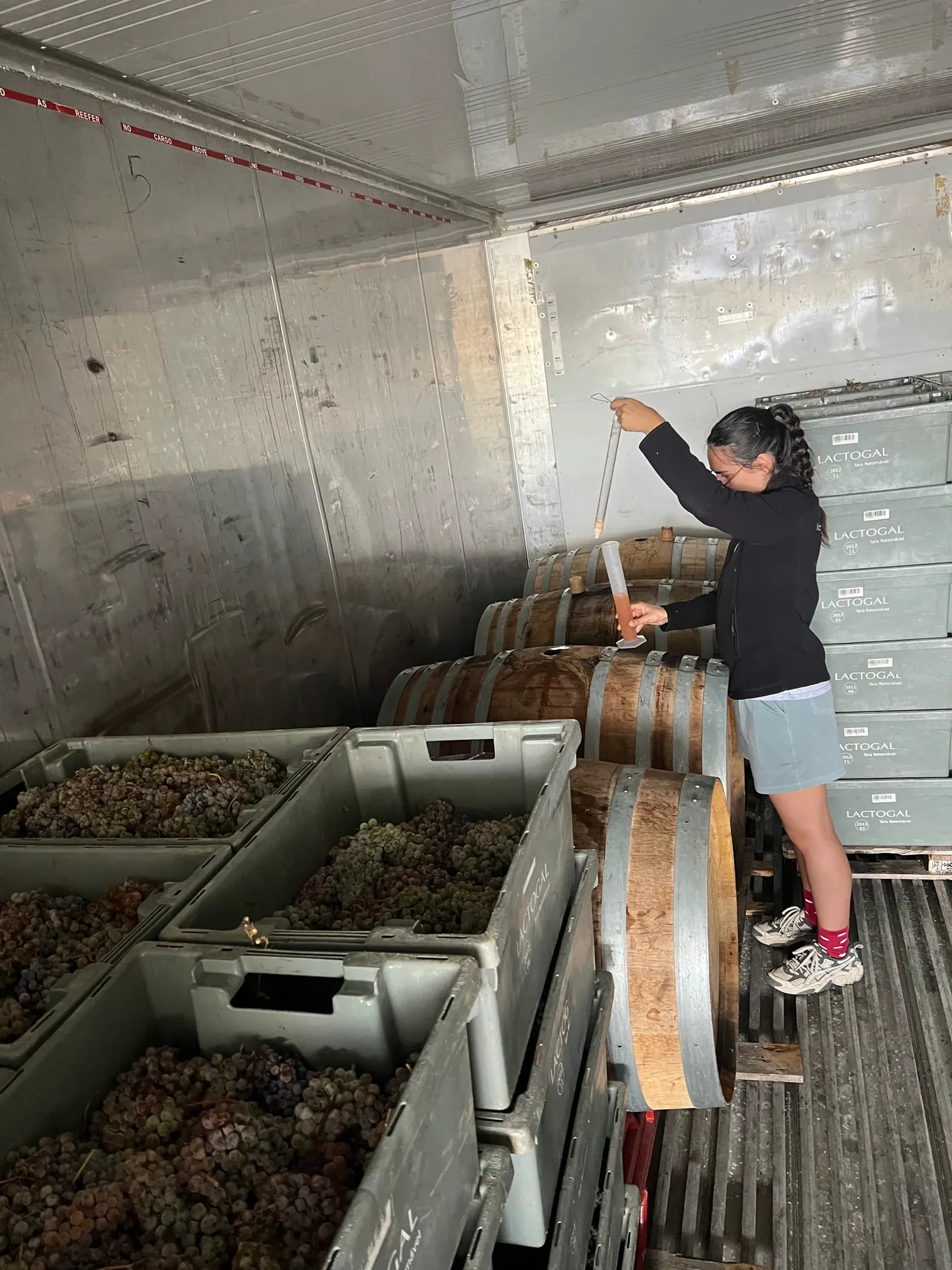
The grapes are cooled before pressing.
05 / 18Next: Harvest
Chapter III · Winemaking
06
Pressing and settling
White winemaking
For whites, we use direct pneumatic pressing. The juice rests to separate out suspended particles.
06 / 18Next: Harvest
Chapter III · Winemaking
07
Lagar
Red winemaking
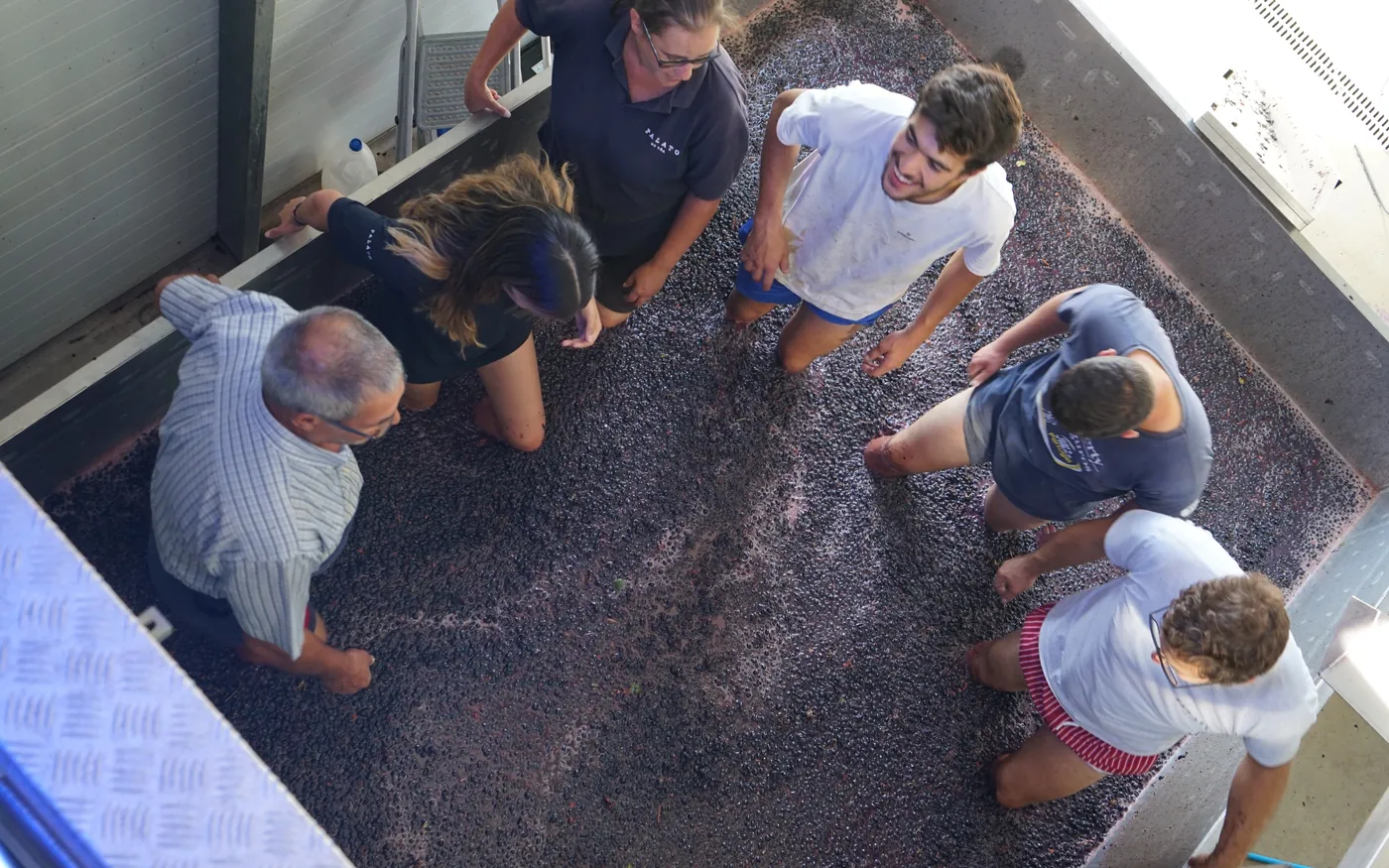
Some reds are foot-trodden in lagares, including the old-vine lots.
07 / 18Next: Harvest
Chapter III · Winemaking
08
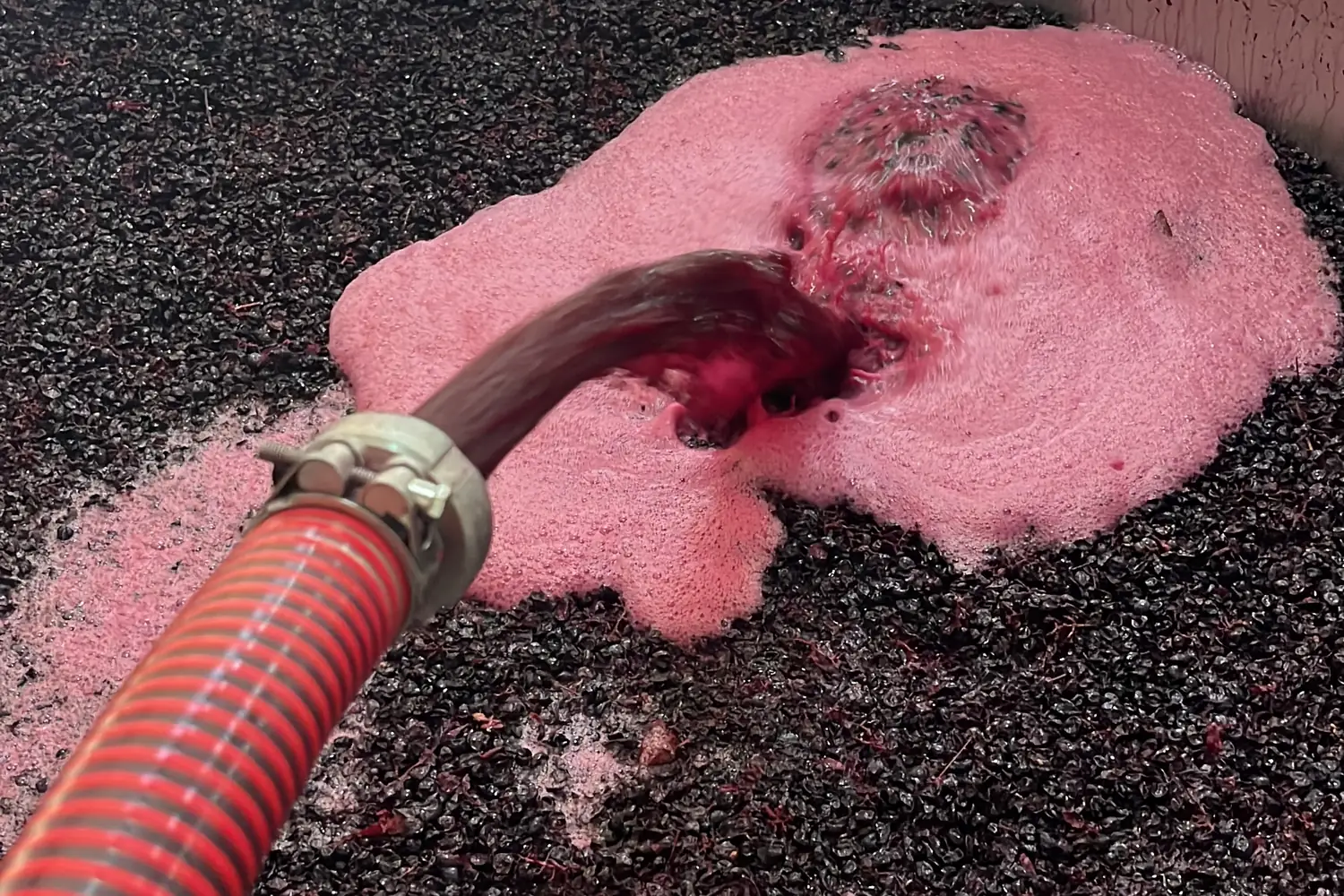
Submerged cap
Red winemaking
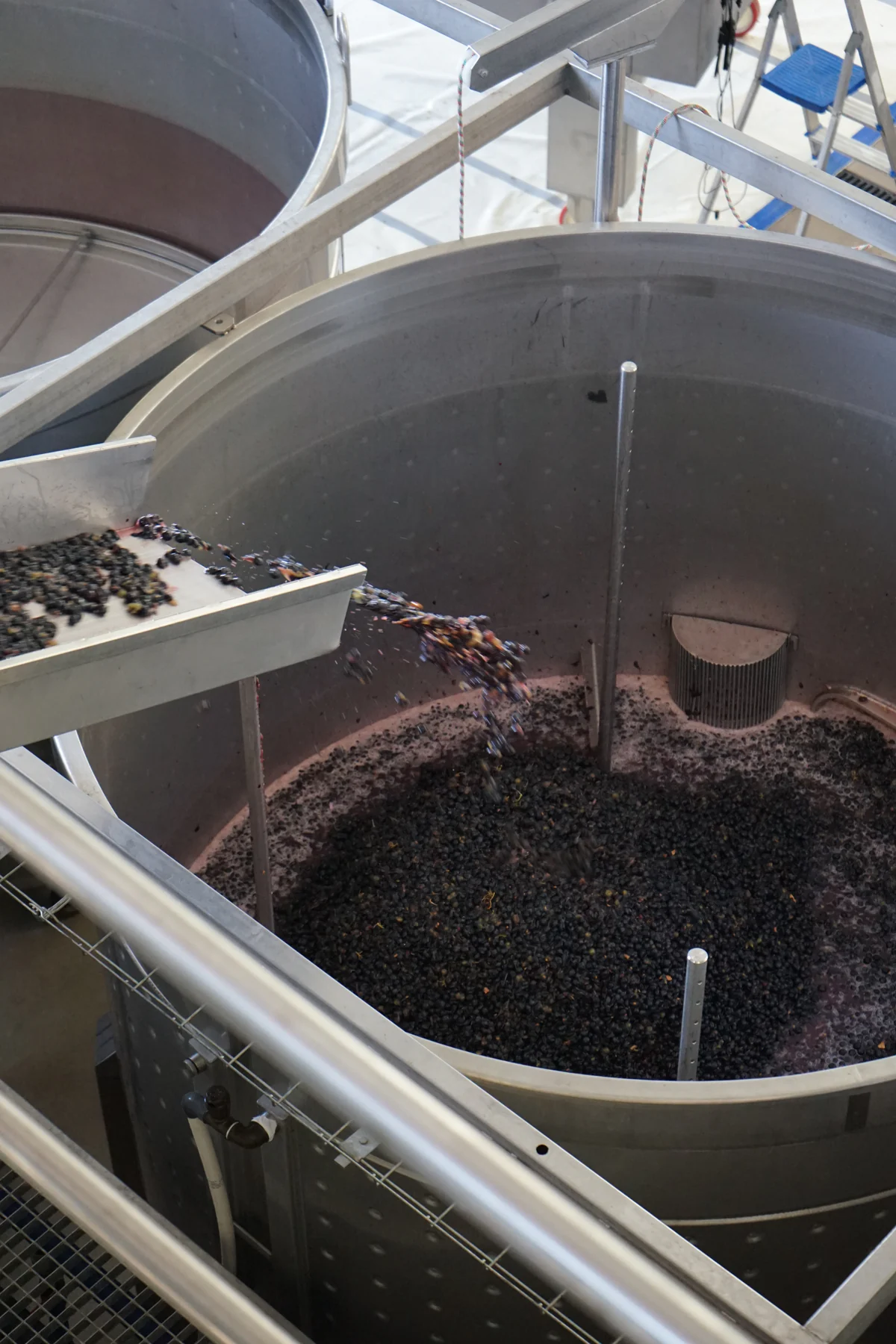
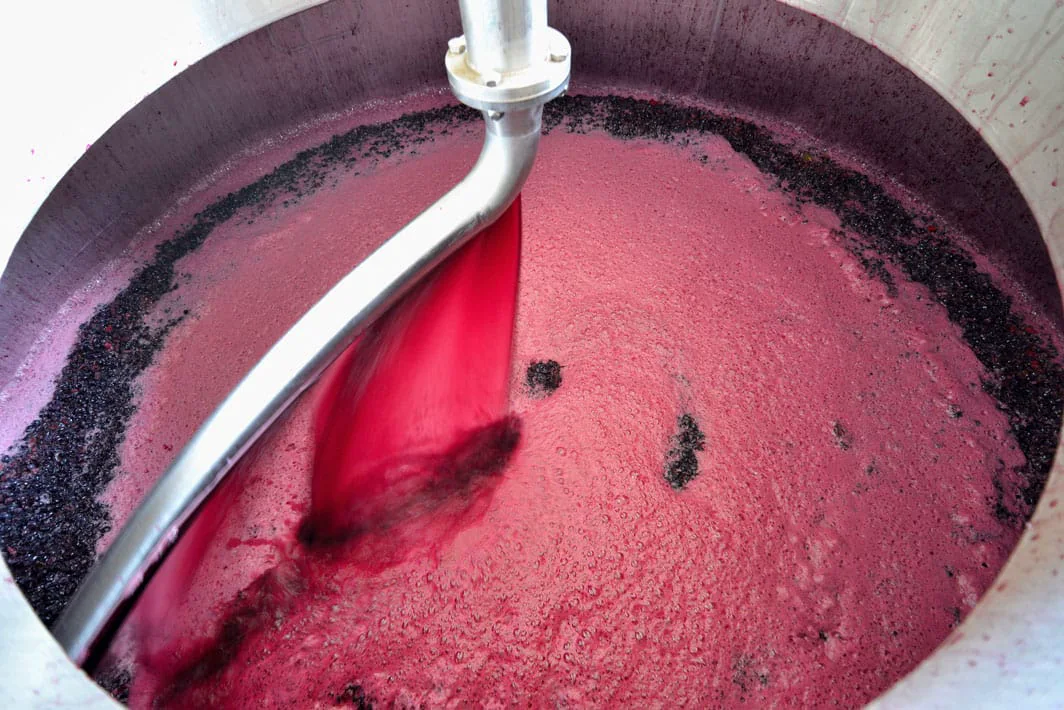
For Touriga Nacional, a net keeps the skins submerged in the must during fermentation.
08 / 18Next: Harvest
Chapter III · Winemaking
09
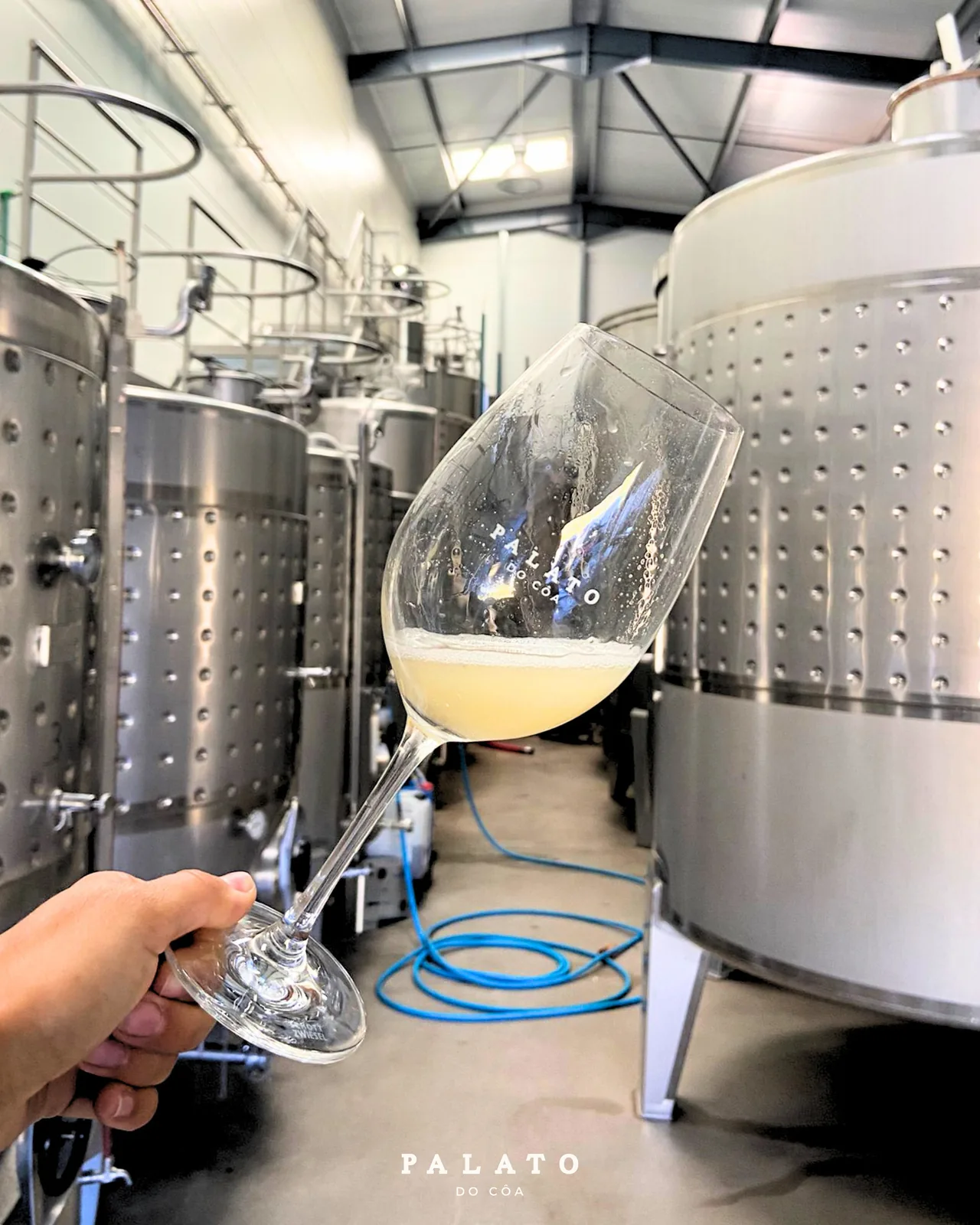
Fermentation
White & red, side by side
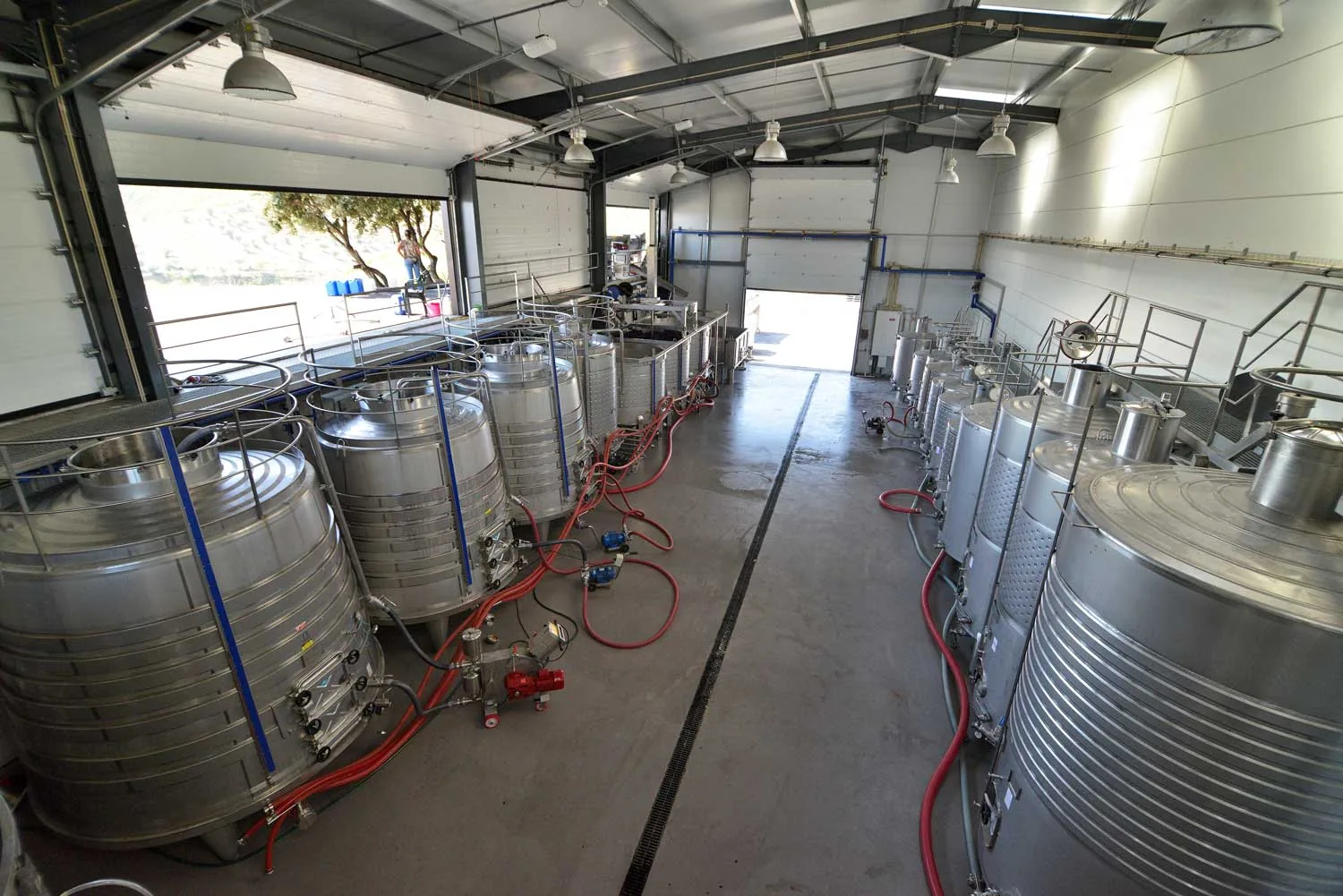
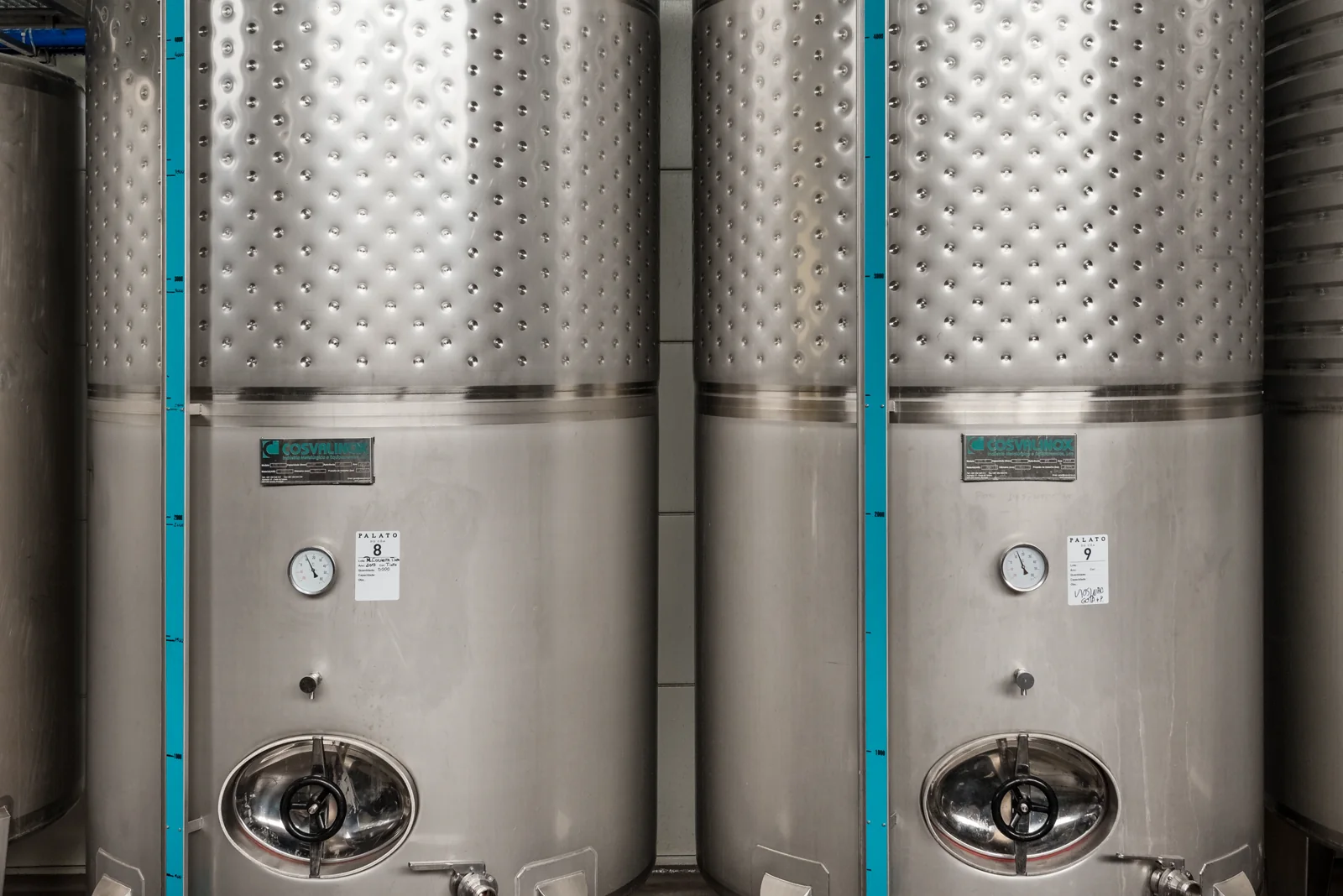
We control the temperature during fermentation.
09 / 18Next: Harvest
Chapter IV · Ageing
10
Clarification and stabilisation
We clarify, stabilise and filter the wine before bottling.
10 / 18Next: Harvest
Chapter IV · Ageing
11
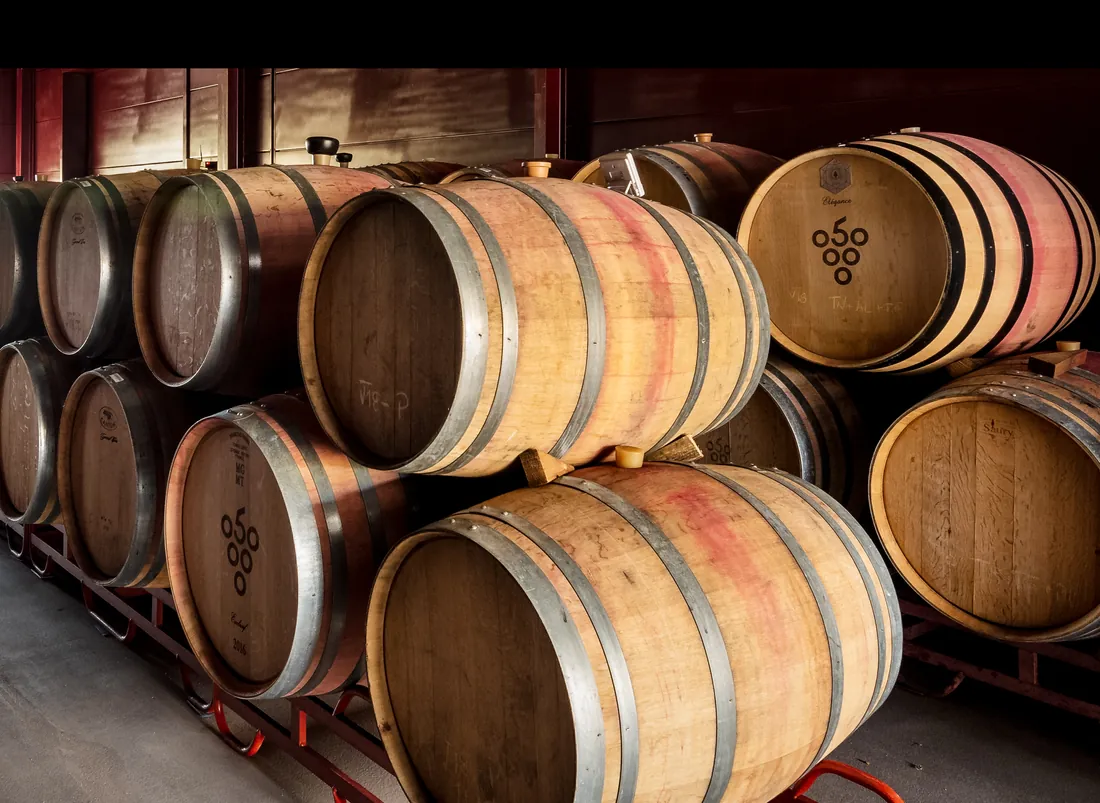
Ageing
Ageing varies with the wine. We use barrels of different ages; the Reservas also use new barrels.
11 / 18Next: Harvest
Chapter IV · Ageing
12
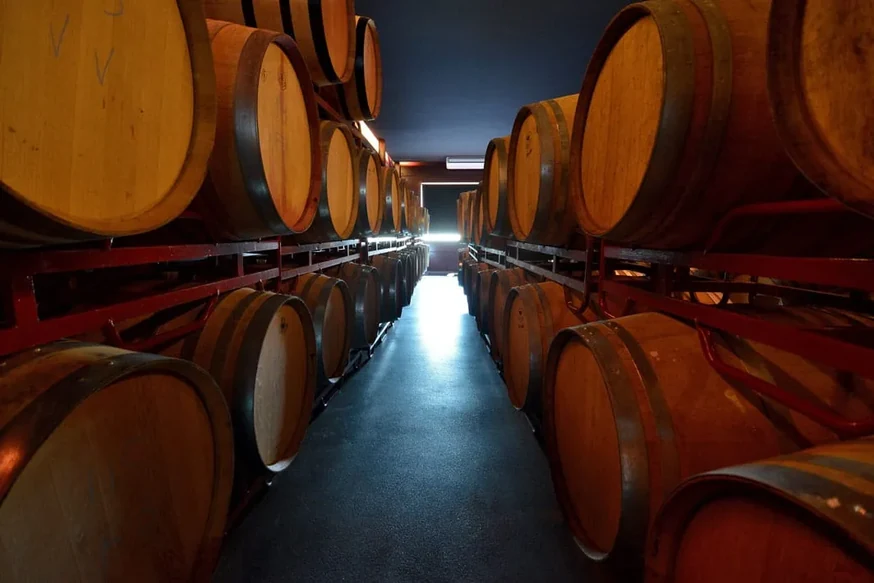
Barrel room
The room’s temperature and humidity are controlled during ageing.
12 / 18Next: Harvest
Chapter IV · Ageing
13
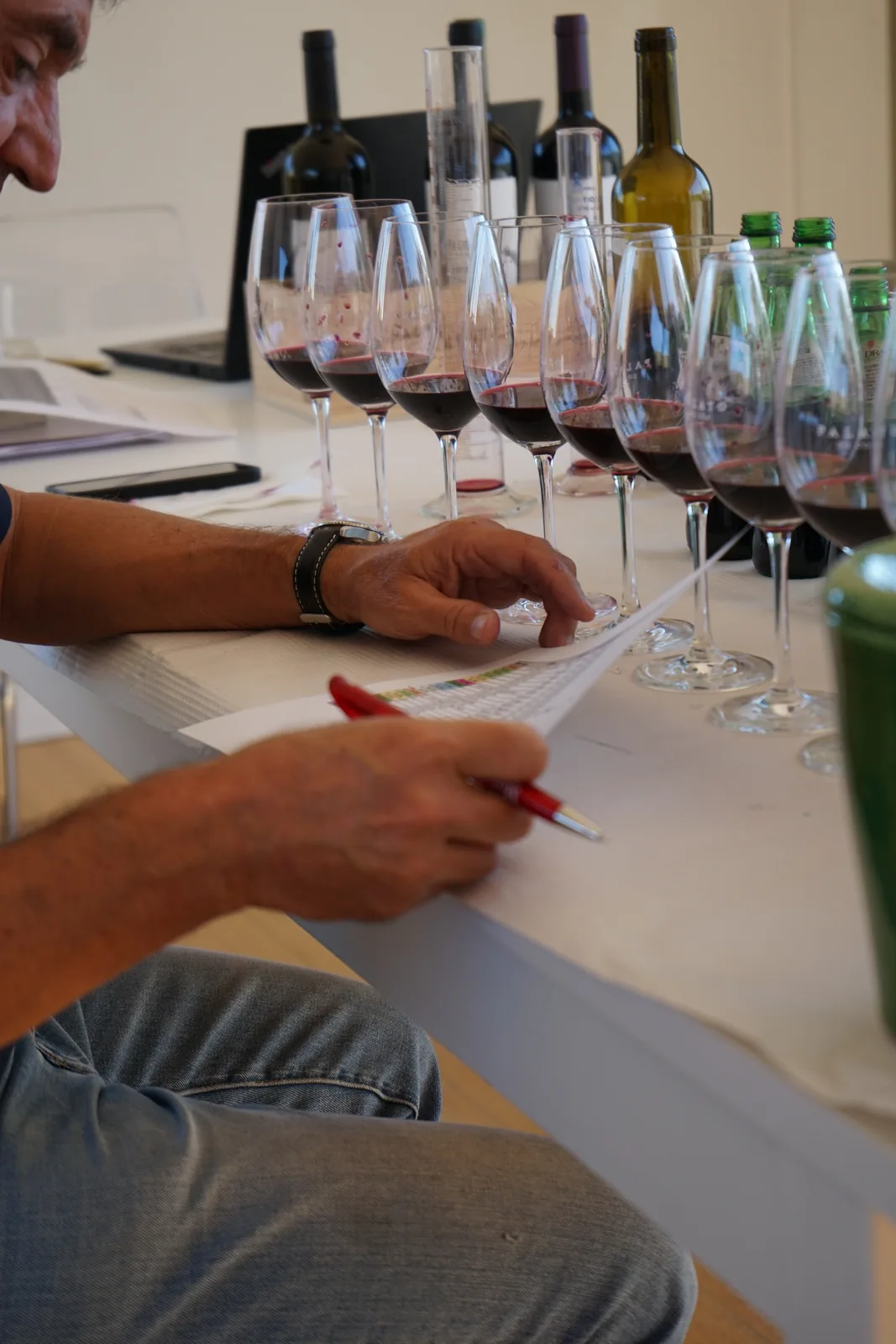
Tasting and blending
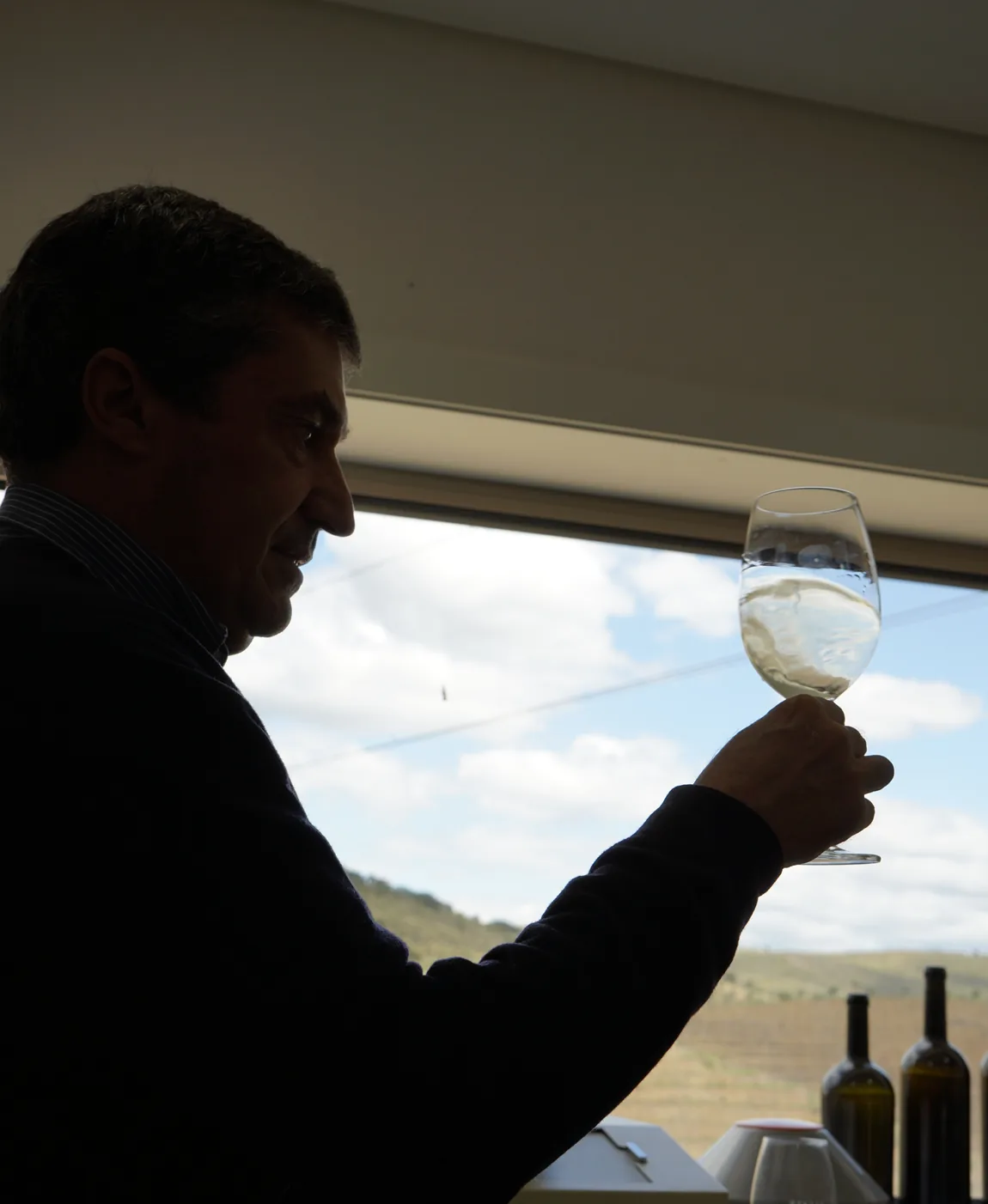
We taste wines from different tanks and barrels to decide the final blend.
13 / 18Next: Harvest
Chapter V · The bottle, and again
14
Bottling
The bottles are prepared and filled before going on to labelling.
14 / 18Next: Harvest
Chapter V · The bottle, and again
15
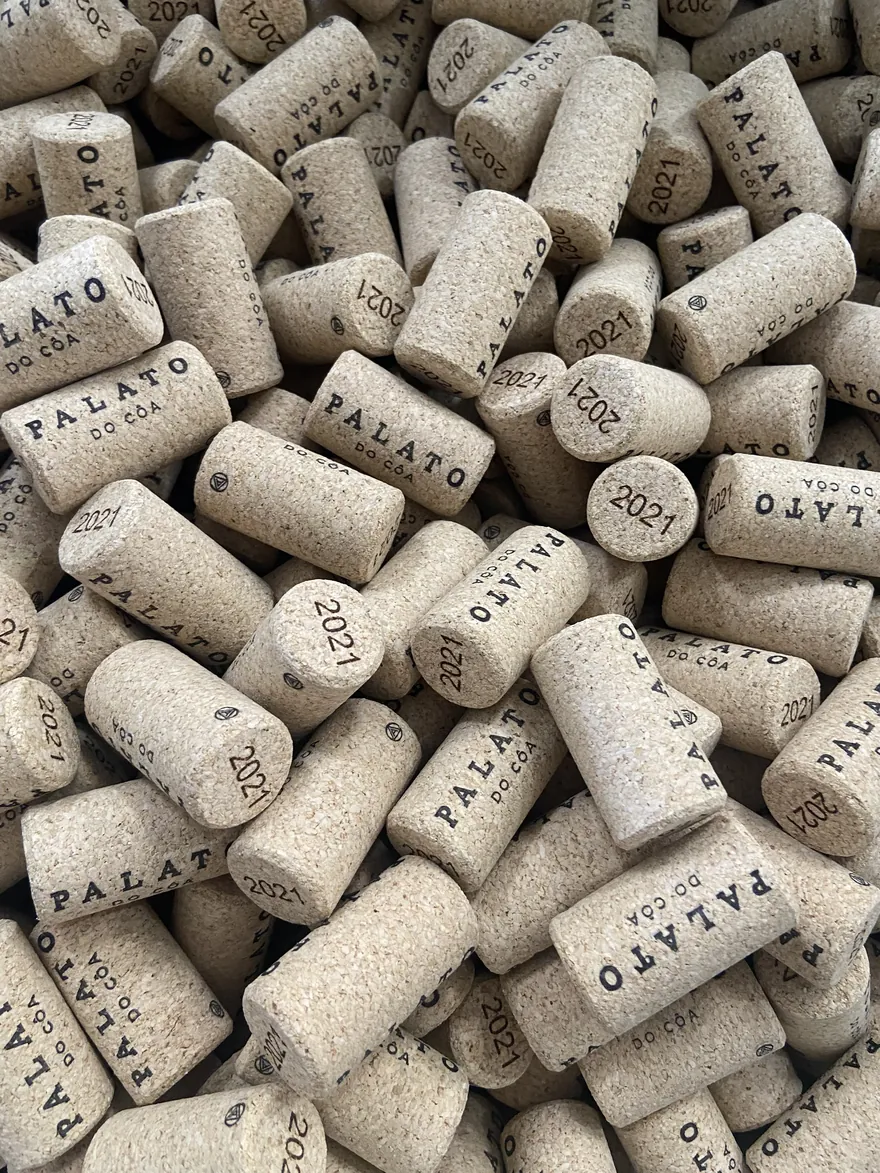
Labelling
The label identifies the wine. Each vintage’s production is recorded on its technical sheet.
15 / 18Next: Harvest
Chapter V · The bottle, and again
16
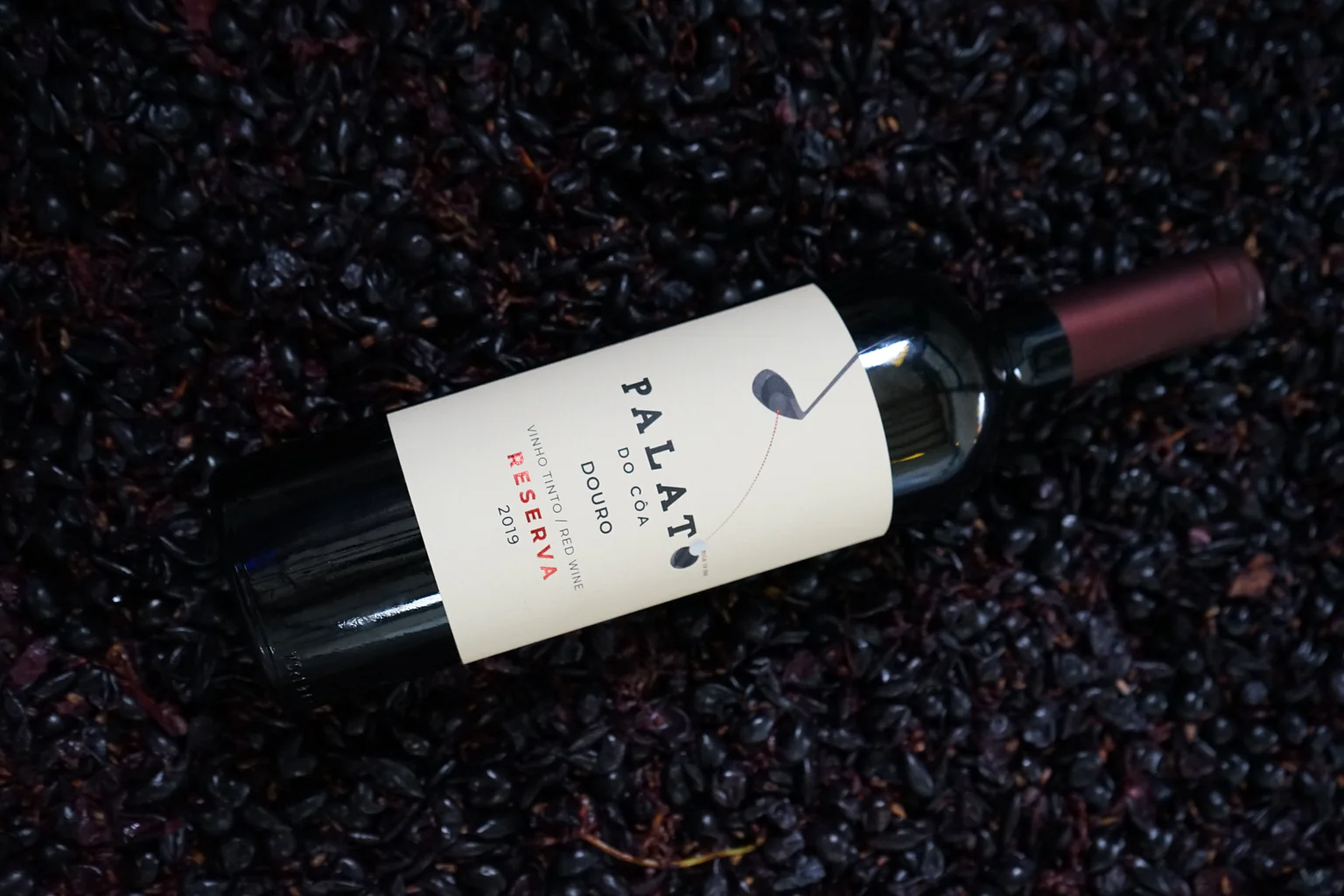
The bottle
Palato do Côa and Vinha da Migalha come from the estate. Vinhas do Côa brings together grapes from two estates owned by the partners.
16 / 18Next: Harvest
Chapter V · The bottle, and again
17
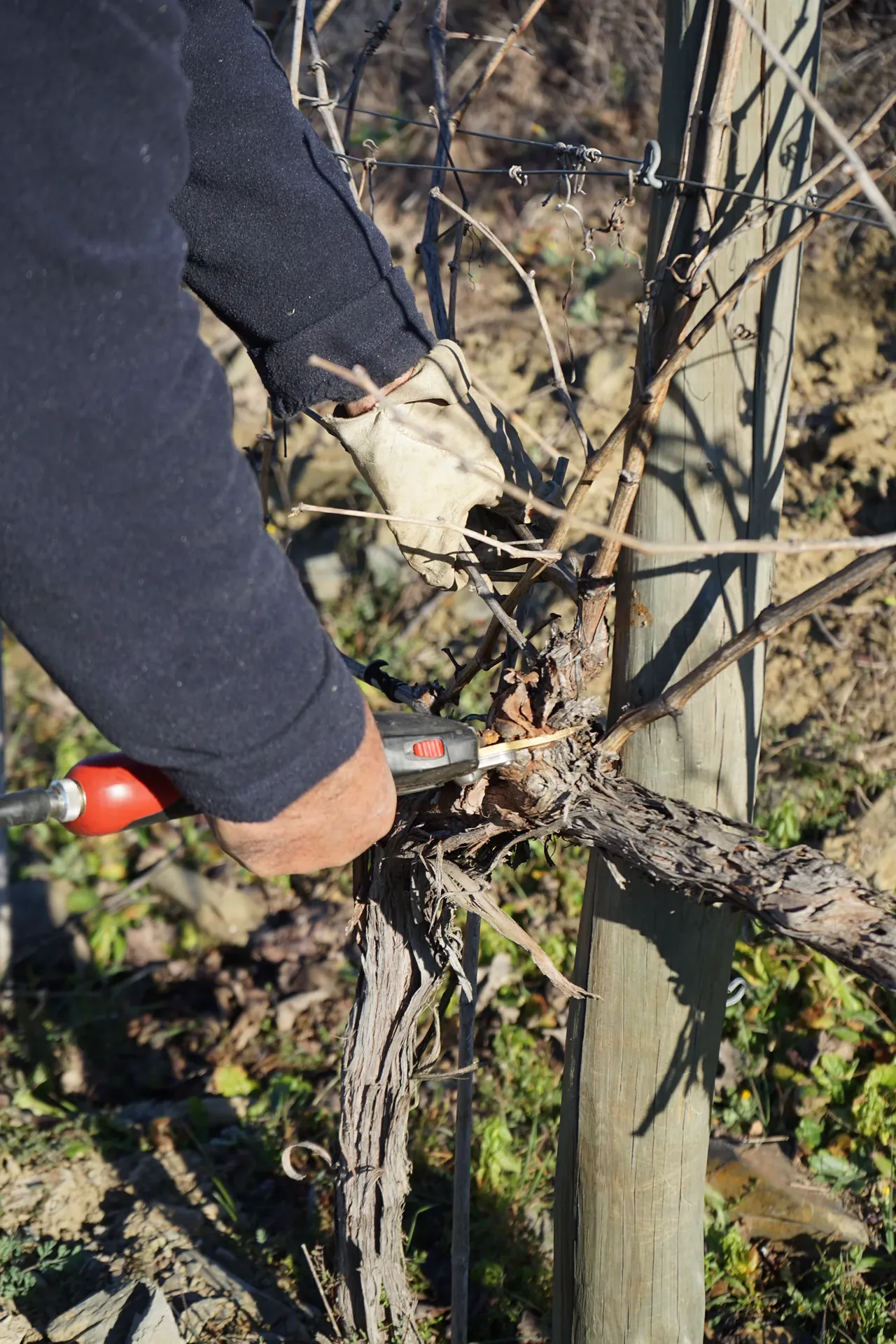
Pruning
We prune while the vines are dormant, preparing for spring growth.
17 / 18Next: Harvest
Chapter V · The bottle, and again
18
Tending the vine
We keep vegetation between the rows and follow the vines’ growth until the next harvest.
18 / 18Next: Harvest
01
Vine
The estate has young plots and old vines over sixty years old. We follow each plot throughout the year.
02
Harvest
We harvest by hand and transport the grapes in small crates.
03
Reception
White & red, side by sideOn arrival at the cellar, the grapes go into cold storage.
04
Selection and separation
White & red, side by sideWe remove the stems and crush the grapes lightly. For whites, we separate the juice from the skins; for reds, they ferment together.
05
Cold room
White winemakingThe grapes are cooled before pressing.
06
Pressing and settling
White winemakingFor whites, we use direct pneumatic pressing. The juice rests to separate out suspended particles.
07
Lagar
Red winemakingSome reds are foot-trodden in lagares, including the old-vine lots.
08
Submerged cap
Red winemakingFor Touriga Nacional, a net keeps the skins submerged in the must during fermentation.
09
Fermentation
White & red, side by sideWe control the temperature during fermentation.
10
Clarification and stabilisation
We clarify, stabilise and filter the wine before bottling.
11
Ageing
Ageing varies with the wine. We use barrels of different ages; the Reservas also use new barrels.
12
Barrel room
The room’s temperature and humidity are controlled during ageing.
13
Tasting and blending
We taste wines from different tanks and barrels to decide the final blend.
14
Bottling
The bottles are prepared and filled before going on to labelling.
15Labelling
15
Labelling
The label identifies the wine. Each vintage’s production is recorded on its technical sheet.
16
The bottle
Palato do Côa and Vinha da Migalha come from the estate. Vinhas do Côa brings together grapes from two estates owned by the partners.
17
Pruning
We prune while the vines are dormant, preparing for spring growth.
18
Tending the vine
We keep vegetation between the rows and follow the vines’ growth until the next harvest.
Use the arrows to move through the steps.Scroll through the steps or choose a chapter.
Tasting at the table too
Carloto Magalhães and Paulo Schreck prepare the blends. The partners and their families join the tastings, often over lunch or dinner in the cellar.
The cellar’s motto
“Better not to touch, so as not to get in the way.”