The Côa Valley that gives the wine its name
The wine takes its name from a river. On the banks of that river lies one of Europe’s largest open-air galleries of Palaeolithic rock art — schist, altitude, and figures cut into the rock tens of thousands of years ago.

The River Côa is a tributary of the Douro that runs through Vila Nova de Foz Côa and Muxagata, in the heart of the Douro Superior. Palato do Côa takes its name from this river and the valley it has shaped.
An open-air gallery
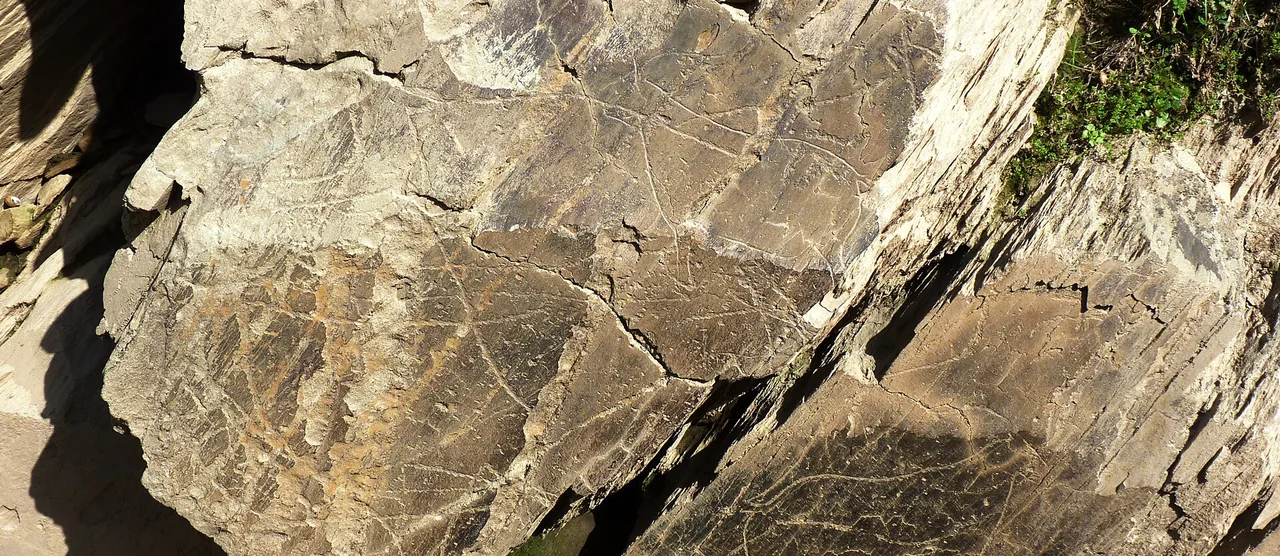
On the banks of the Côa lies one of Europe’s largest open-air galleries of Palaeolithic rock art: thousands of engravings cut into the rock tens of thousands of years ago, classified as a UNESCO World Heritage Site. It is a valley of deep time, where people have left their mark for millennia.
The same schist
Schist is the predominant soil in the valley. It is the same substratum beneath Palato’s old vines and beneath the very slabs that carry the figures of the Côa: the rock that holds the engravings and the rock the roots drive into are one and the same stone.
The altitude and freshness of this valley give tension and acidity to the house’s whites, made from Rabigato and Viosinho — and the wine bears, in its name, the river that shapes the place.
Sources: The rock art of Foz Côa is a UNESCO World Heritage Site. The remaining facts are confirmed by the estate.