"You do the harvest. I make the wine. If it turns out good... we'll see."
It turned out so good there was no going back. A house in Muxagata, in the Douro Superior.
It began by chance. It carried on because it made sense.
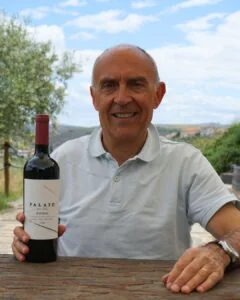
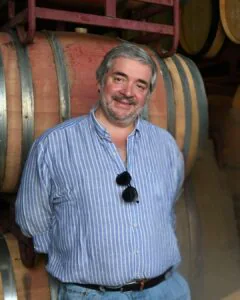
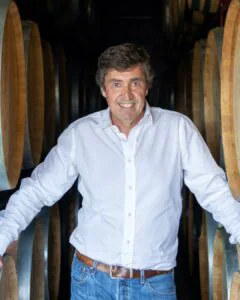
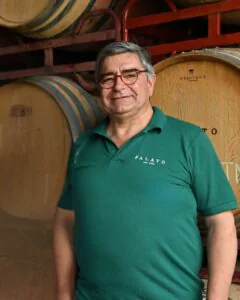
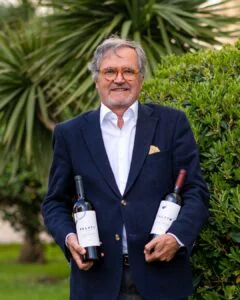
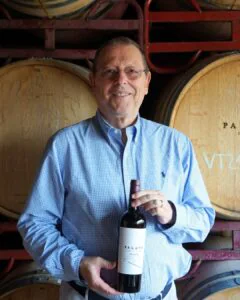
Palato do Côa was not born in a boardroom: it was born in a conversation, with wine on the table. In 2007, Carloto Magalhães took on the challenge of harvesting the estate’s grapes and making the first wine. The result drew together a group of friends bound by the Douro, by high-altitude vineyards and by the will to build something of their own.
The first years had no winery and no electricity. The wine was made and kept at Quinta da Canameira, the neighbouring cellar — a house lent through kinship, not through walls. At Muxagata there was a shed, and not just any shed: it was the grilled-chicken shed. A table set up, mismatched chairs, and that was where the future got argued out. The estate’s own winery came only in 2012, and it was blessed.
And there is one variety that appears on no label at all. The Palatinhas — Lilian, Luísa, Migalha, Susana, Teresinha and Xana. They never attend the meetings, they join the dinners without ceremony, and they know exactly when a bottle should, or should not, be opened. They rule in silence.
Today there are six partners, two winemakers and a production the vineyard itself caps — normally between one hundred and one hundred and thirty thousand bottles a year. The project keeps to this scale by choice.
Discover the EstateA project built on friendship and trust.


In the end, a wine tastes of whoever made it.
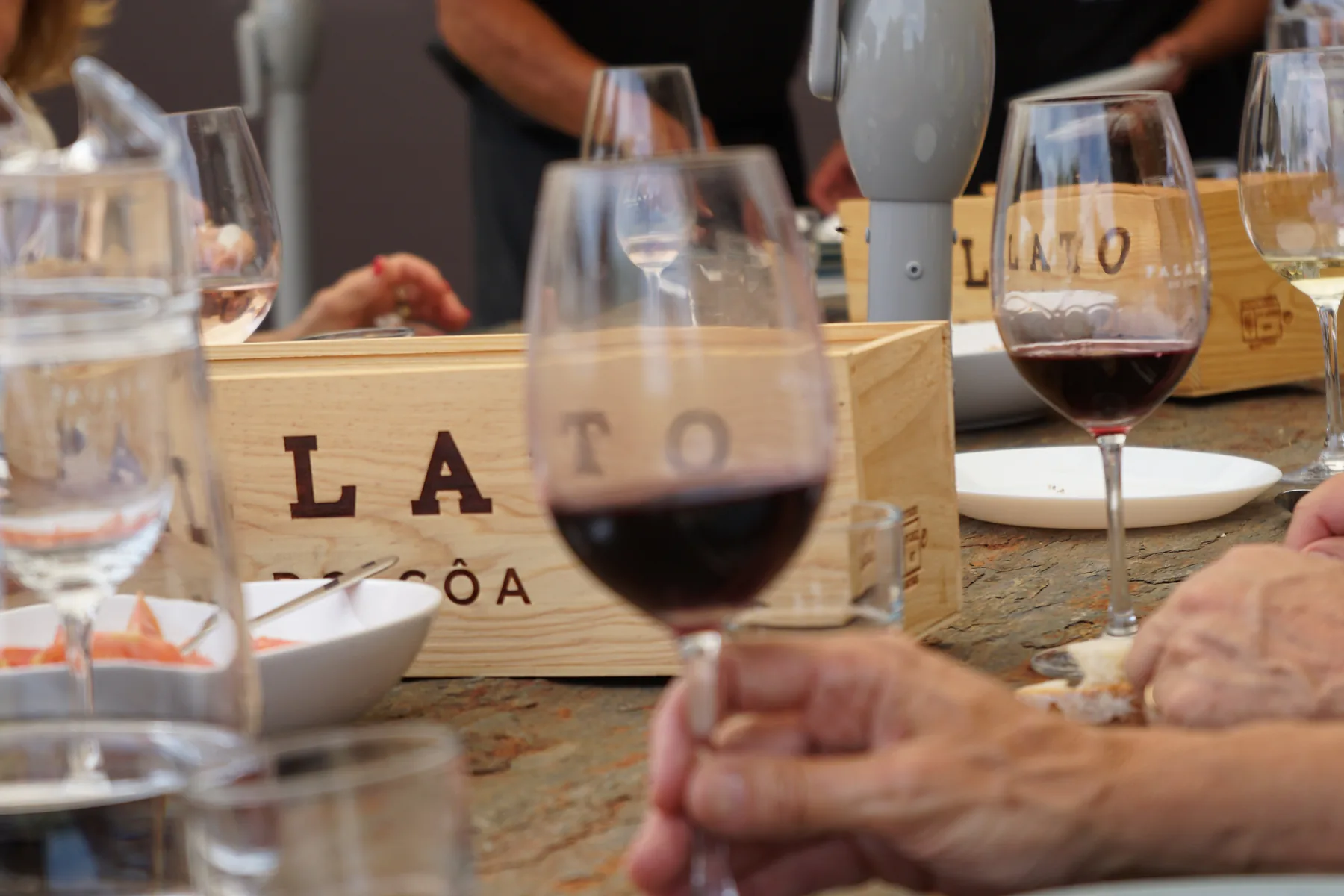
These are wines made for the table.
For food, for conversation, for time passing slowly — as it should when a good bottle is open.
Reds, whites and rosés all follow the same philosophy: freshness, balance, respect for the fruit and fidelity to their origin.
See the wines


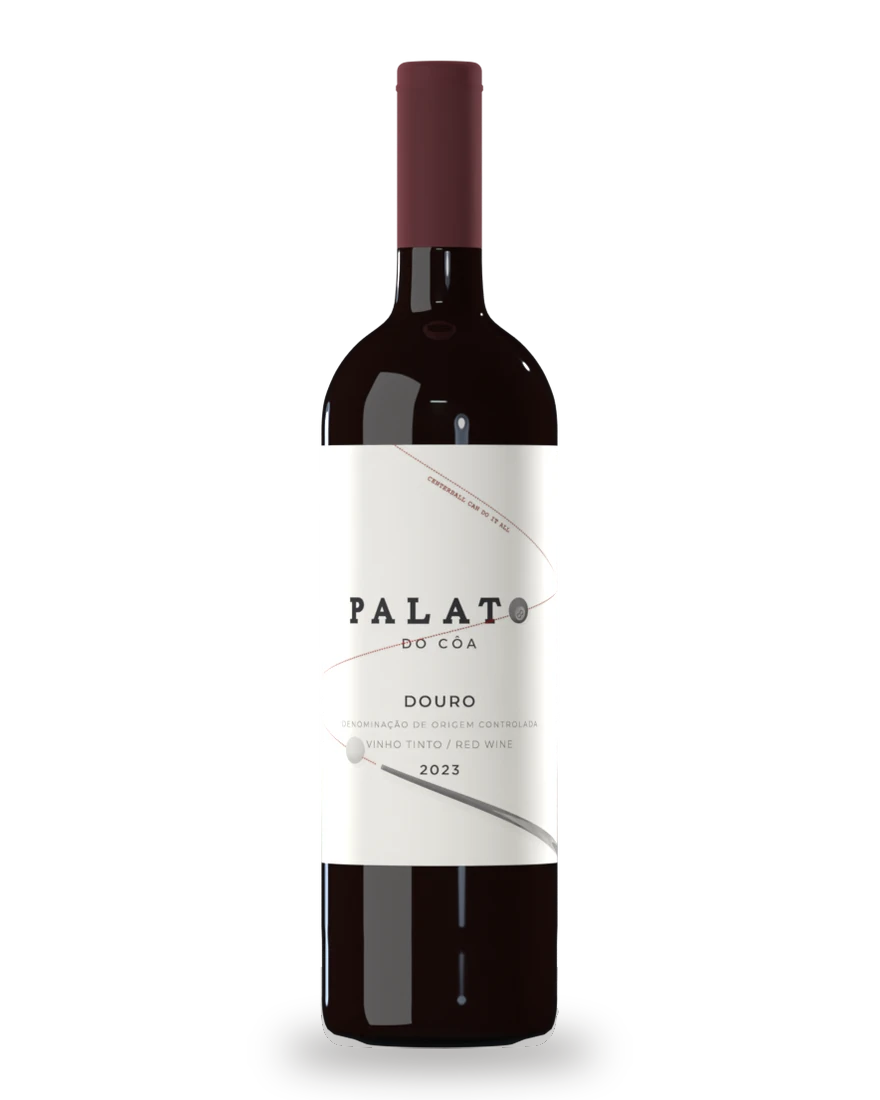
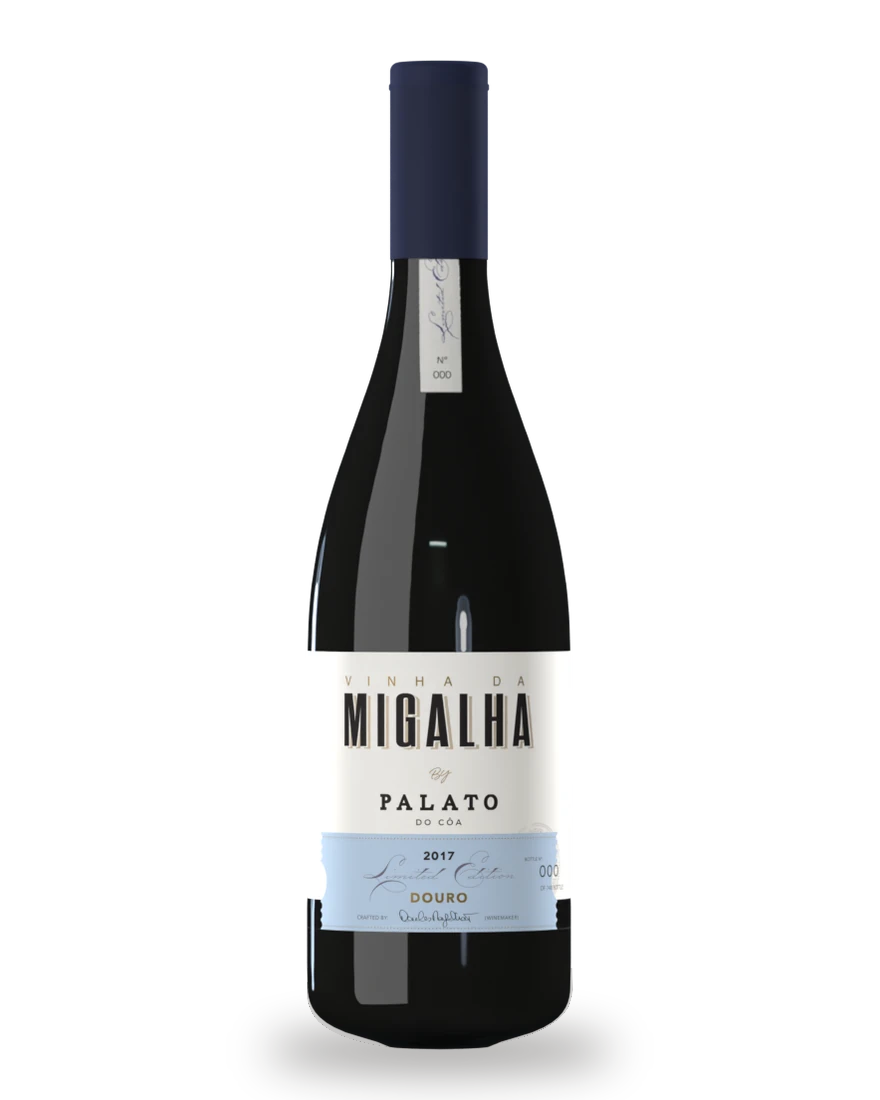
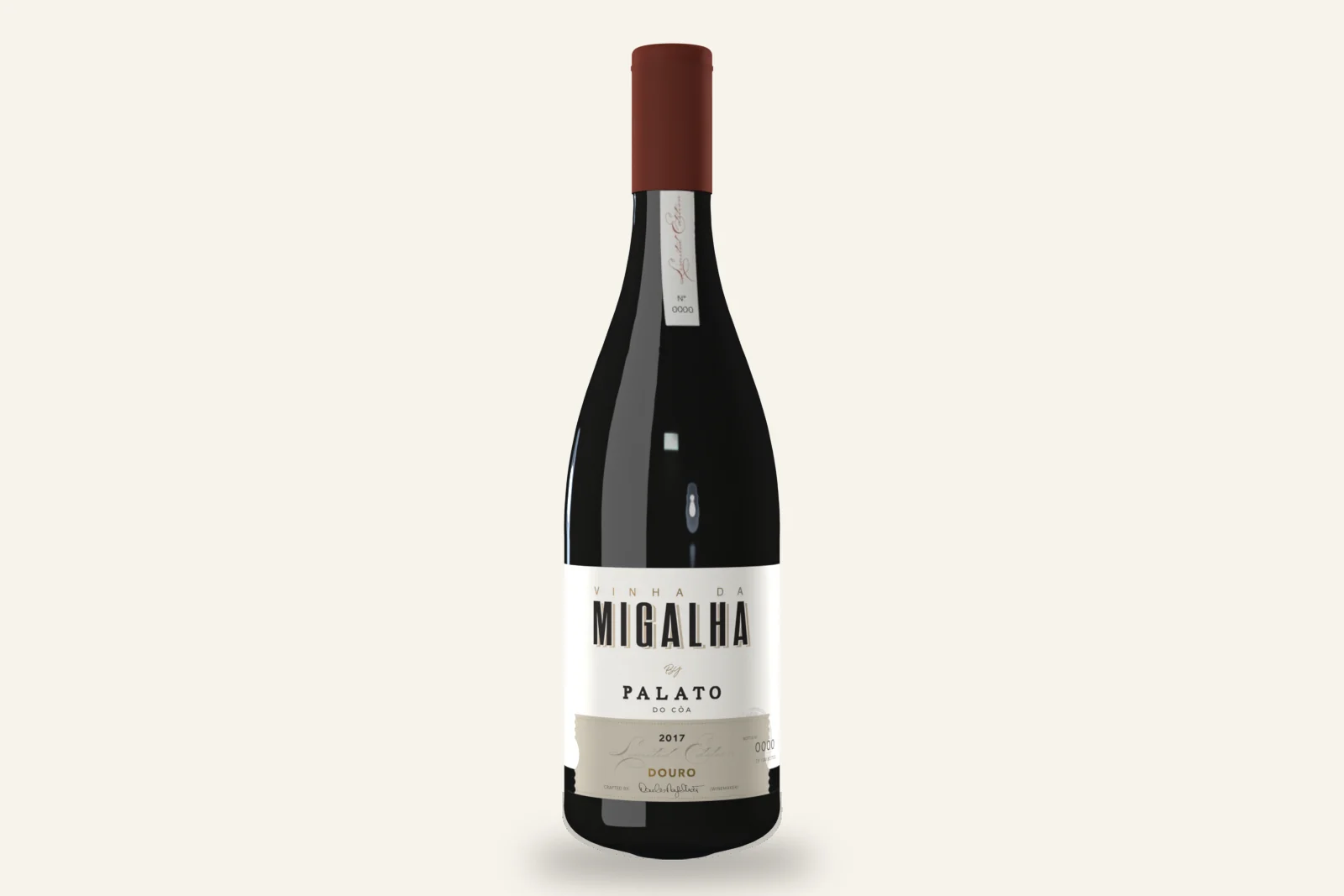
Three ranges, and very different runs.
Made from traditional Douro Superior grape varieties, harvested by hand and vinified with care, these wines always seek to respect the fruit, the vintage and the place they come from. Intervention is there — but only when it is needed.

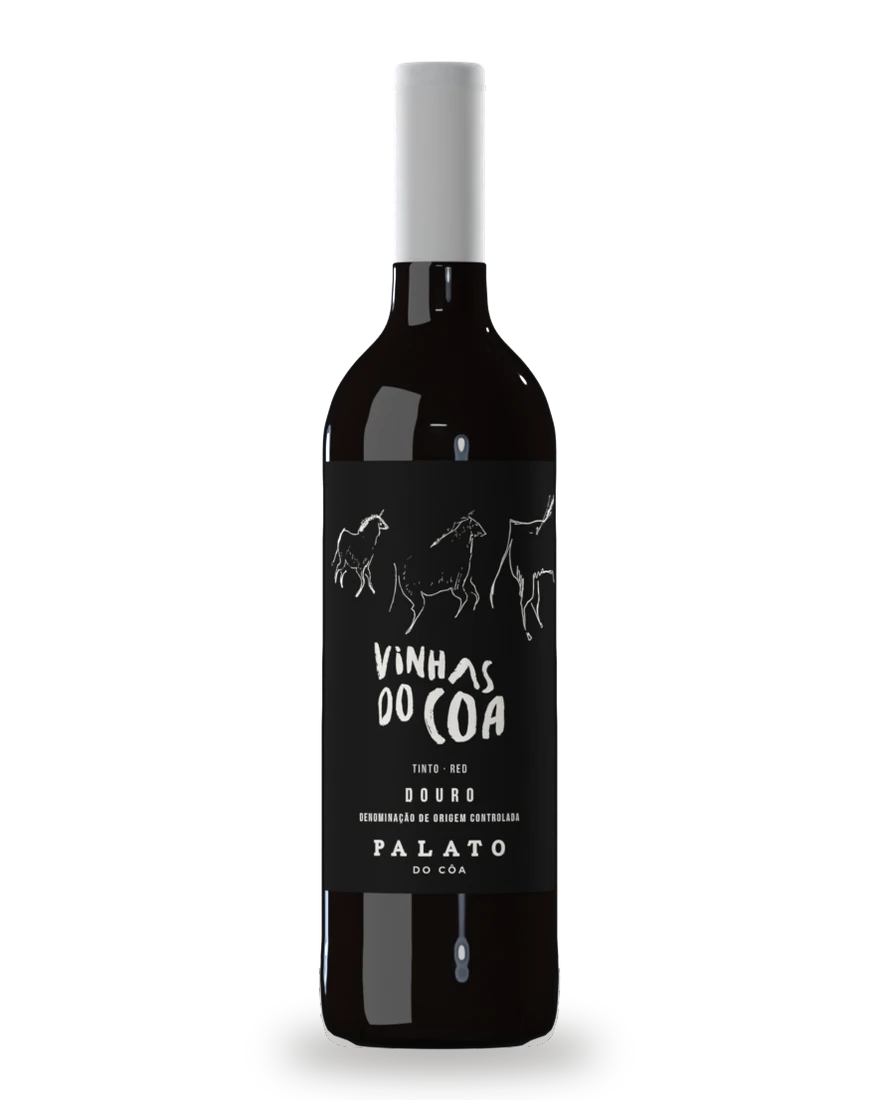
From the Vinha da Migalha Tinto, at 380 bottles, to the Palato do Côa Branco, at twenty thousand. The run of each one is recorded in the technical sheet.
Schist, altitude and time.
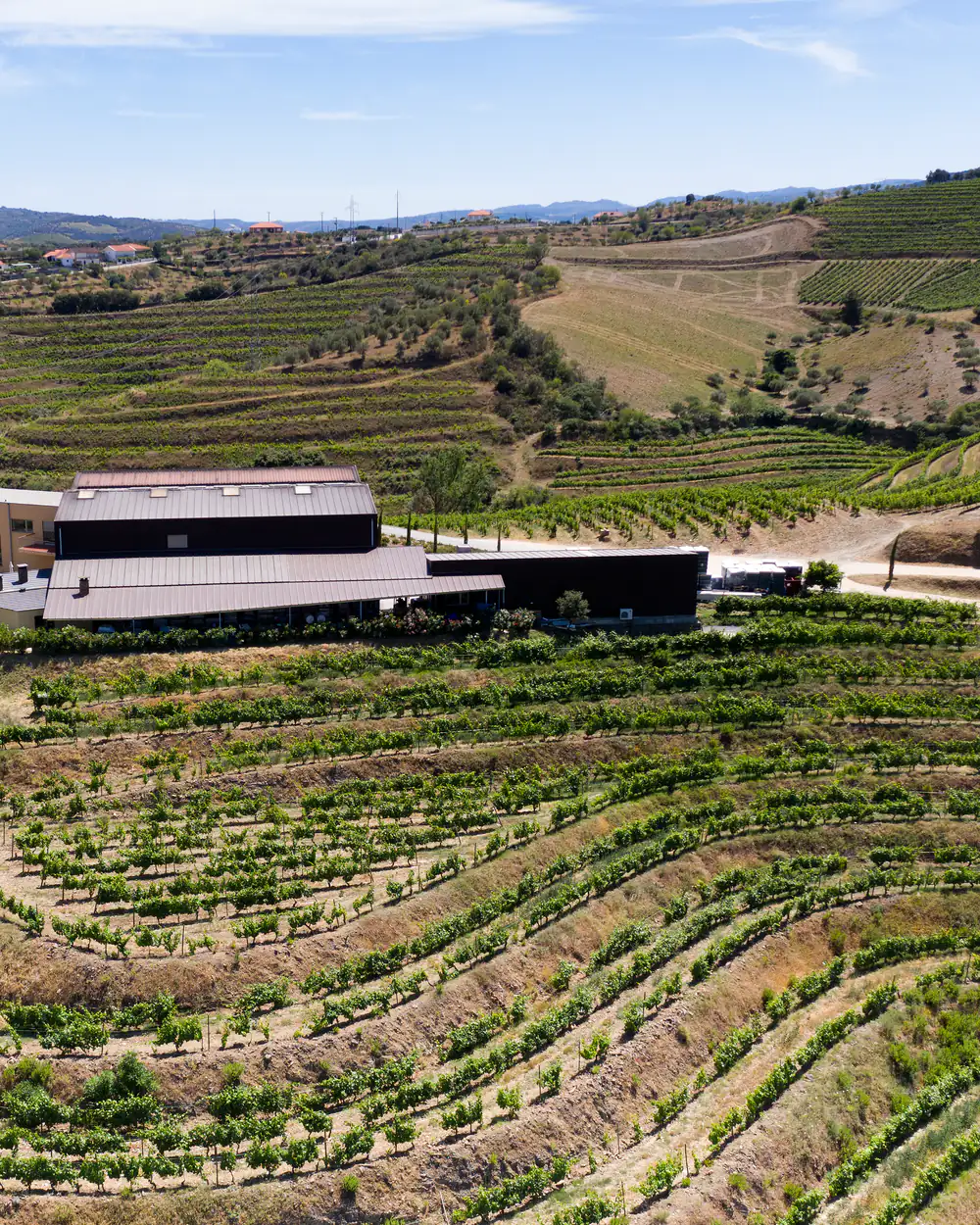
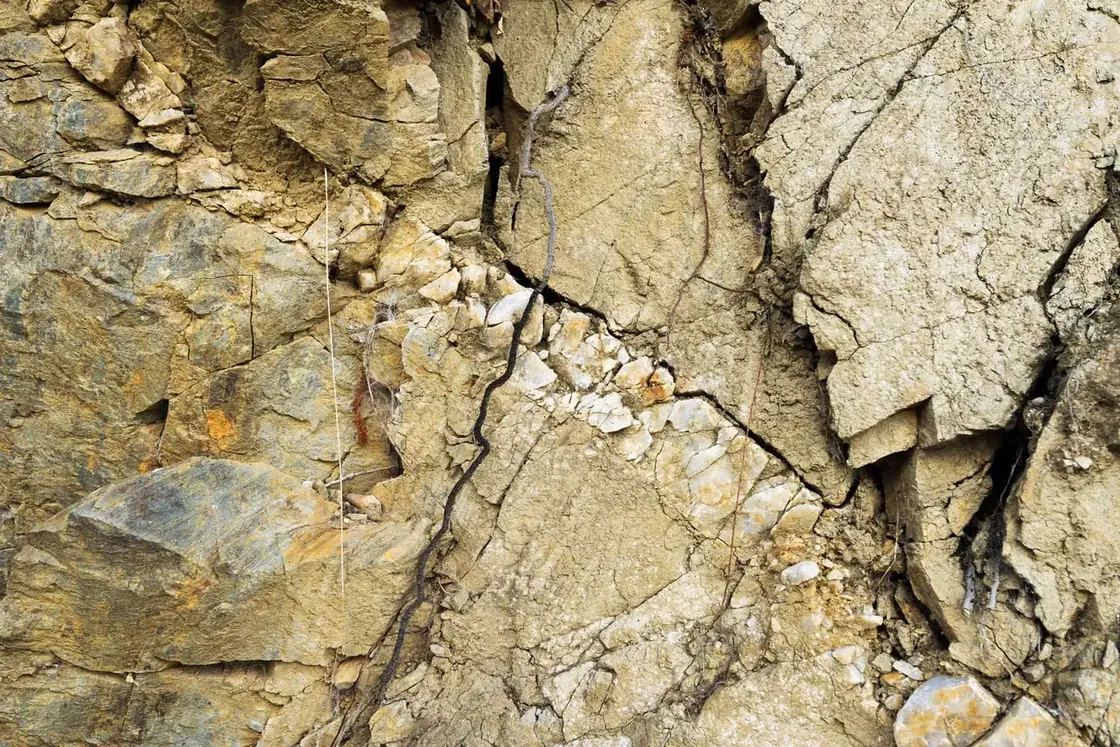
The vineyard sits on schist veined with limestone — soil above pH 7.0, a rarity in a Douro that is almost entirely acidic. That limestone, together with altitude and the cold nights of the Douro Superior, helps preserve freshness and acidity when the summer bites.
Of the 20.9 hectares planted, four are old vines: over sixty years old, and an improbable planting of 46 different varieties, not all of them named. It is from that field blend that the Grande Reserva comes. In those vines the root drives metres down through the schist after every drop — in the Douro Superior, easy water does not exist.
Explore the Douro Superior

The wine begins long before the cellar.
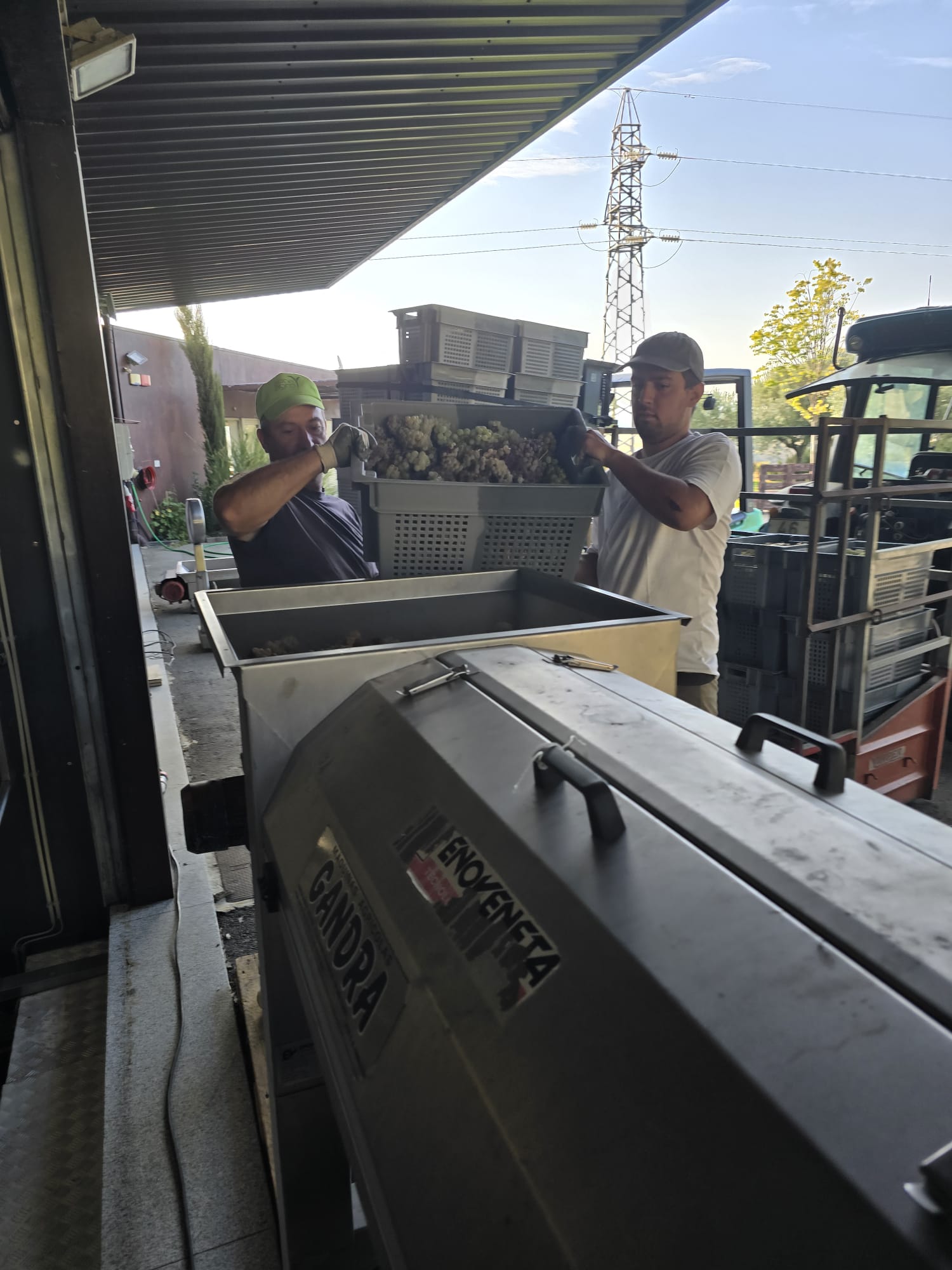
The harvest is by hand, in the vineyard, by a team of seven who choose berry by berry. Reds ferment between 22 and 30 °C, to draw colour and tannin from the skins; whites between 12 and 18 °C, so the aroma and the acidity survive.
See how we make itWater for the future.
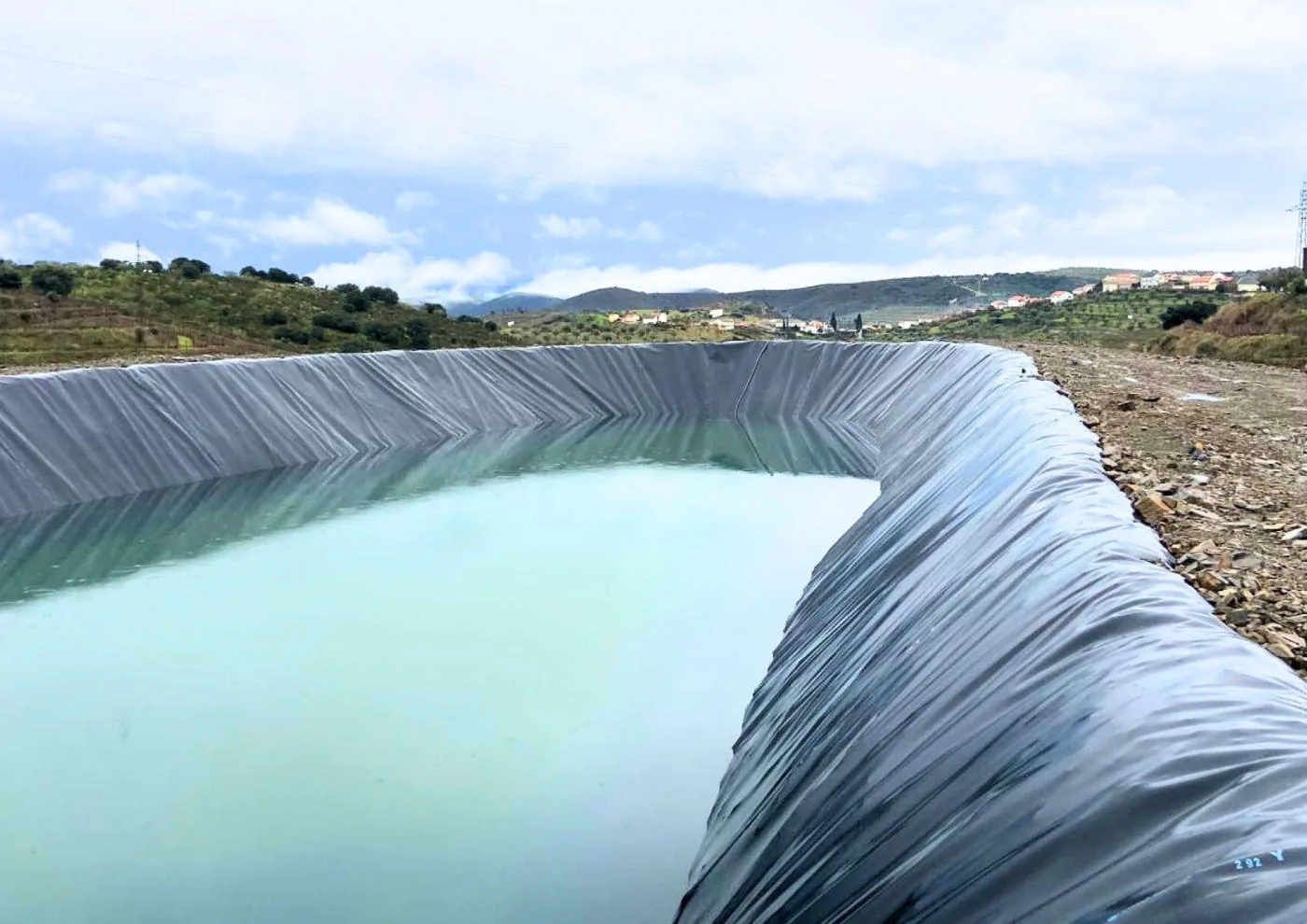
Grapes get thirsty too: a shortage of water shows in how the vine grows and how the fruit ripens. In 2025, with the vineyard growing and the heat tightening, the estate built a reservoir — for the vines to draw relief from in the hardest moments, and for the animals to drink. It is not routine irrigation: the water is stored and drawn on only when the summer bites.
Carloto puts it plainly: “If the water fails, we have to store it.” It is the largest reservoir in Muxagata. Through the dormant season, the sheep keep down the growth between the vines — four hectares of pasture, and the same flock later works for the cheese.
Discover the Estate
What the critics say.
“Fruta madura sem sobrematuração a lembrar nêspera e marmelo, ervas aromáticas, alguns tostados e nuances vegetais. Na prova mostra corpo médio, alguma sensação térmica e ligeiras notas amargas no final bem longo.”
Ripe fruit without over-ripeness, recalling loquat and quince, aromatic herbs, some toasted notes and vegetal nuances. On the palate it shows medium body, some warmth, and slight bitter notes on a very long finish.Translated from the Portuguese
The wall was opened, and the vineyard came in.
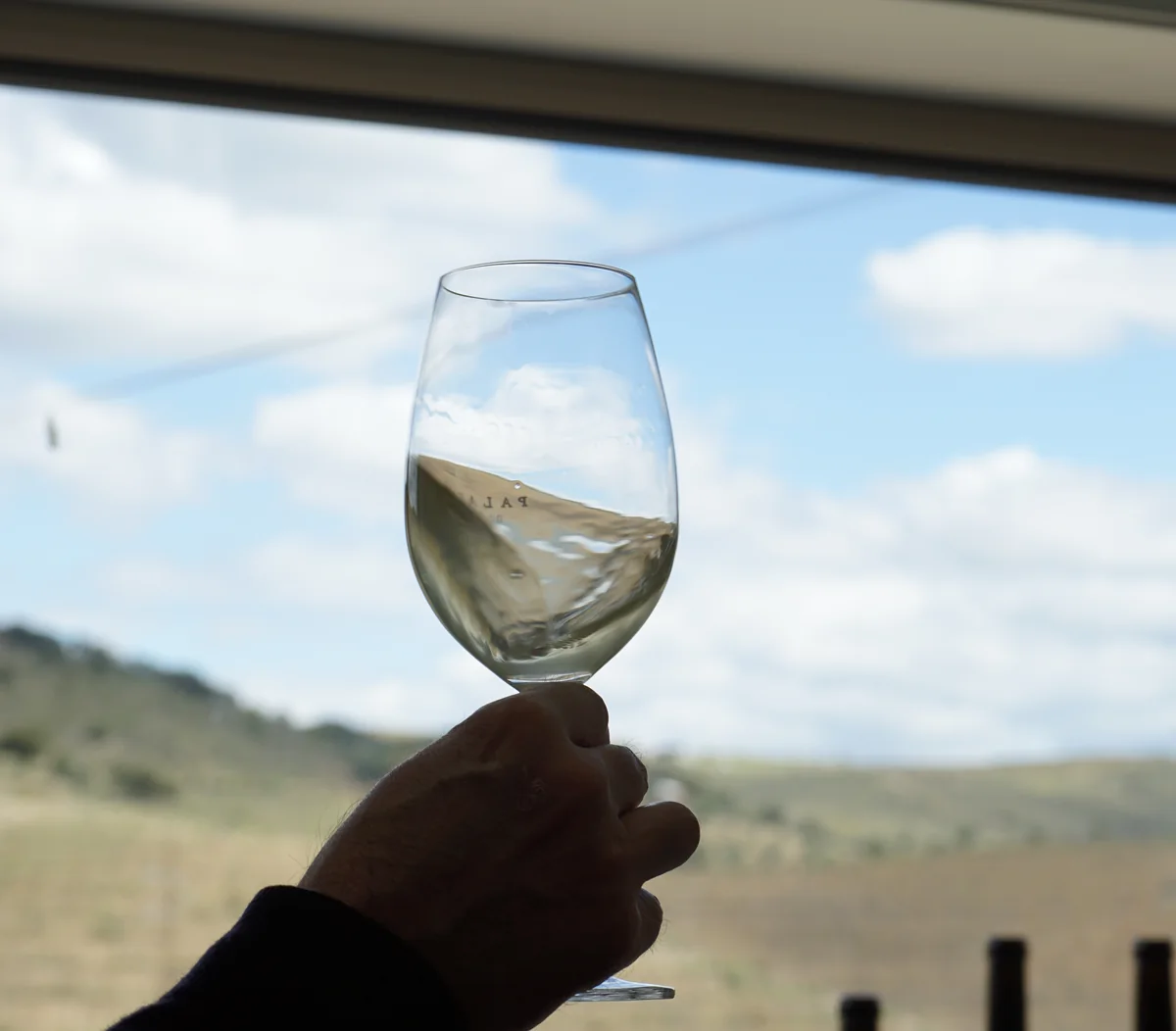
The tasting room was dark and closed in on itself, until an architect saw that wine should not live in isolation. The wall was opened — and in came the vineyard, the sky and a range of colour that is never the same two seasons running. It is against this light that the wine is read and the blend decided. Tell us when you’d like to come and we’ll confirm availability.
Book a visit